Here’s what the evidence shows:
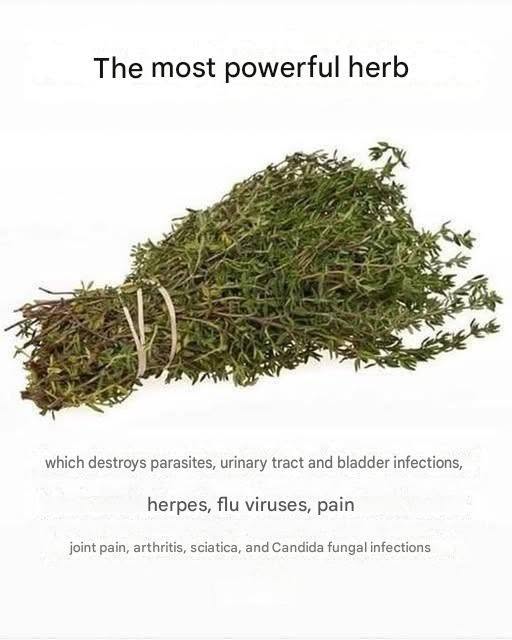
Parasites
Some herbs (such as wormwood, cloves, or black walnut) have been studied in laboratory settings, but they are not proven replacements for prescription antiparasitic medications. The correct treatment depends on the specific parasite.
Urinary tract (bladder) infections
A bacterial UTI usually requires antibiotics. Delaying treatment can allow the infection to spread to the kidneys. Drinking plenty of fluids may help with symptoms, but herbs alone are not a reliable treatment.
Herpes
There is no herb that eliminates the herpes virus from the body. Prescription antiviral medications (such as acyclovir or valacyclovir) can reduce the severity and frequency of outbreaks.
Influenza (flu)
No herb has been shown to destroy the influenza virus in people. Rest, fluids, and supportive care are the mainstays of treatment, and antiviral medications may be recommended for some people if started early.
Herbs with some evidence for specific uses
Certain herbs have been studied for limited benefits, but none are cure-alls:
- Cranberry may help reduce the risk of recurrent UTIs in some people, but it does not treat an active infection.
- Garlic has antimicrobial properties in laboratory studies, but evidence for treating infections in humans is limited.
- Echinacea may have a modest effect on the duration of some common colds, but results are inconsistent and it is not a treatment for the flu.
- Ginger may help relieve nausea and has anti-inflammatory properties, but it does not eradicate infections.
When to seek medical care
See a healthcare professional if you have:
- Symptoms of a UTI (burning with urination, frequent urination, fever, or back pain)
- Suspected parasitic infection
- Painful or frequent herpes outbreaks
- Flu symptoms with difficulty breathing, chest pain, dehydration, or symptoms in someone at high risk of complications
If you saw a post naming a specific herb, tell me which one it is, and I can explain what research says about its benefits, limitations, and safety.