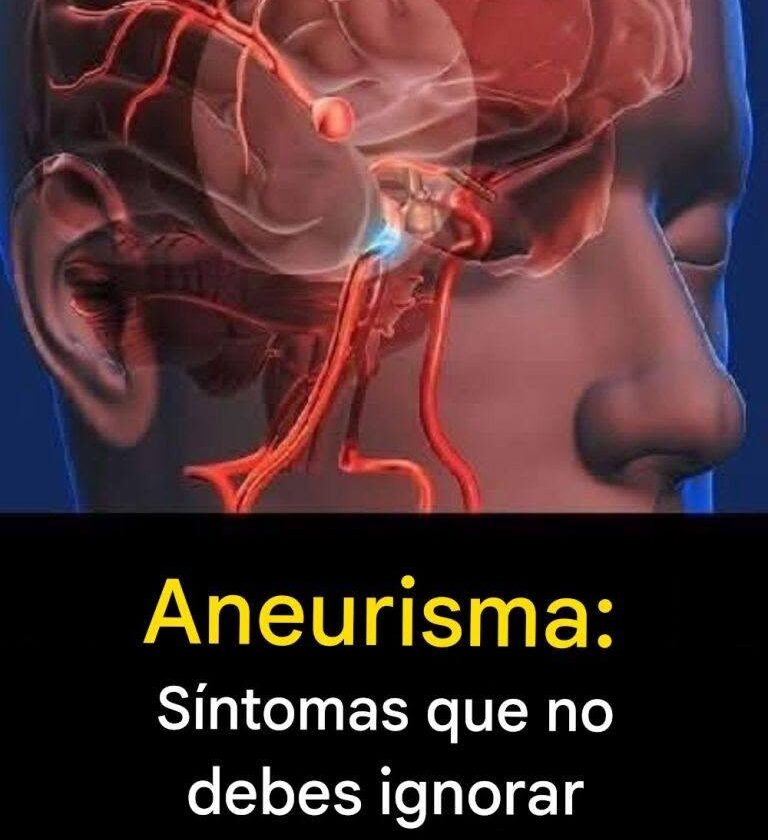
An aneurysm is a bulge or weak spot in a blood vessel wall. The danger is that it can leak or rupture, which becomes a life-threatening emergency. Many aneurysms cause no symptoms until they become serious, so warning signs matter.Here are the key signs you should never ignore, depending on where the aneurysm is.
🧠 Brain aneurysm (cerebral aneurysm)
🚨 Warning signs of rupture (medical emergency)
- Sudden, extremely severe headache (“worst headache of life”)
- Nausea or vomiting
- Neck stiffness
- Blurred or double vision
- Sensitivity to light
- Seizure
- Loss of consciousness
- Sudden weakness or numbness (face, arm, or leg)
- Trouble speaking or understanding speech
👉 A ruptured brain aneurysm can cause subarachnoid hemorrhage, which is life-threatening and needs emergency care immediately.
❤️ Aortic aneurysm (main body artery)
⚠️ Possible warning signs
Often silent, but when symptoms appear:
- Deep, constant pain in chest, back, or abdomen
- Pulsing feeling in the abdomen
- Shortness of breath
- Hoarseness or difficulty swallowing (from pressure on nearby structures)
🚨 Signs of rupture
- Sudden, severe chest or back pain (tearing or ripping sensation)
- Fainting or collapse
- Low blood pressure, shock
- Cold, clammy skin
🦵 Peripheral aneurysm (arms or legs – less common)
Signs
- Pulsating lump under skin
- Pain or tenderness near the lump
- Swelling in limb
- Numbness due to nerve pressure
🧠 Why aneurysms are dangerous
- They can grow silently for years
- Rupture causes massive internal bleeding
- Time from rupture to emergency is often very short
🚨 When to seek emergency help
Go to the hospital immediately if you experience:
- Sudden “thunderclap” headache
- Sudden chest/back/abdominal tearing pain
- Fainting or collapse
- Sudden neurological symptoms (speech, vision, weakness)
🟡 Risk factors (important context)
- High blood pressure
- Smoking
- Family history of aneurysms
- Aging
- Certain connective tissue disorders
Bottom line
An aneurysm is often silent—but sudden severe headache, tearing chest/back pain, or collapse are emergency warning signs that should never be ignored.
If you want, I can also explain how aneurysms are detected early (scans, screening) and who should consider getting checked.