For people at increased risk of cardiovascular disease, atorvastatin has been shown to reduce the risk of heart attacks, strokes, and death from cardiovascular causes. Whether it’s the right medication depends on an individual’s overall health and risk factors.
Here are some of the known side effects and risks:
Common side effects
- Muscle aches or soreness
- Mild joint pain
- Headache
- Digestive symptoms such as nausea, constipation, diarrhea, or indigestion
- Fatigue (in some people)
Less common but important side effects
- Elevated liver enzymes. This is usually found on blood tests and rarely leads to serious liver problems.
- Slight increase in blood sugar. Statins can slightly increase the risk of developing Type 2 Diabetes, particularly in people who already have risk factors. However, for most people who need a statin, the reduction in heart attack and stroke risk outweighs this small increase.
- Muscle injury. Rarely, statins can cause significant muscle damage. The most severe form, Rhabdomyolysis, is very uncommon.
Effects that are less certain
Some people report:
- Sleep disturbances
- Memory problems or “brain fog”
Research has not consistently shown that atorvastatin causes these symptoms, and if they do occur, they often improve after changing the dose or switching medications.
When to contact your healthcare provider promptly
Seek medical advice if you develop:
- Severe or persistent muscle pain or weakness
- Dark or cola-colored urine
- Yellowing of the skin or eyes
- Severe abdominal pain
- An allergic reaction (such as swelling of the face or difficulty breathing)
Don’t stop it on your own
If you’re taking atorvastatin, don’t stop it without talking to the clinician who prescribed it. Stopping a statin can increase your long-term risk of cardiovascular events if you have been prescribed it for cholesterol management or cardiovascular disease prevention.
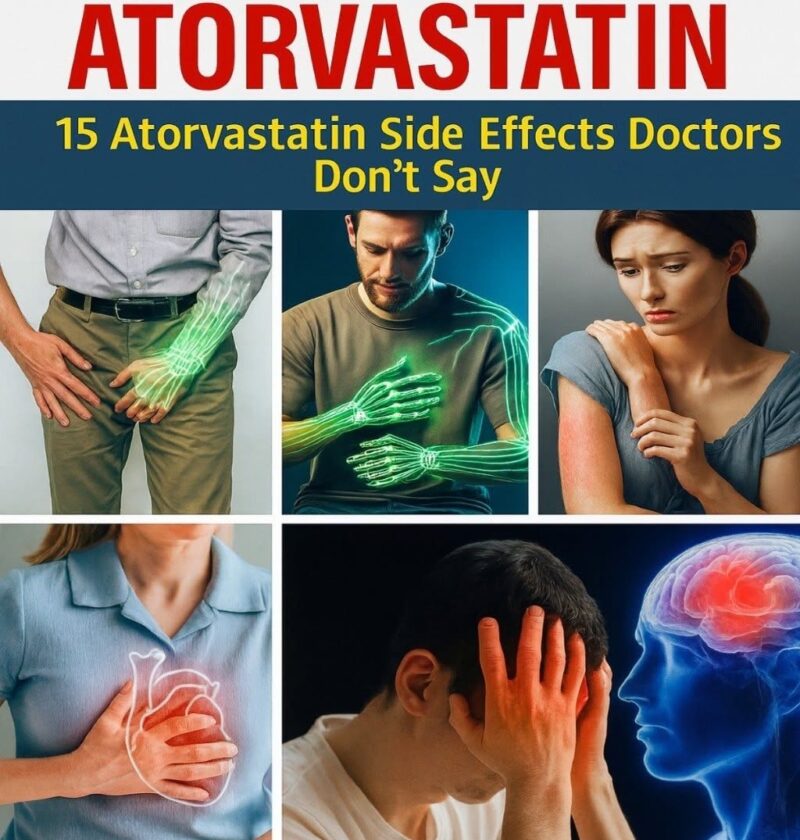
Bottom line: Atorvastatin does have side effects, but they are well documented rather than “hidden.” For most people who are prescribed it appropriately, the benefits in preventing heart attacks and strokes substantially outweigh the risks. If you’re experiencing side effects, your clinician may be able to adjust the dose or switch to a different statin rather than stopping cholesterol treatment altogether.