-
Baking soda on the face: benefits, risks, and safer alternatives
Short answer: Baking soda (sodium bicarbonate) is inexpensive and mildly abrasive, but it is not a good routine facial treatment. Its alkalinity can disrupt the skin’s naturally acidic environment, while scrubbing with the powder can irritate the skin barrier. Dermatologists generally favor gentle, pH-appropriate cleansers and proven acne treatments instead.
What benefits might it have?
Baking soda can produce some short-term cosmetic effects, but evidence for meaningful facial benefits is limited.
- Temporary oil reduction: Its alkaline, absorbent nature may make oily skin feel less greasy for a short time.
- Mild physical exfoliation: The powder can remove some surface debris when rubbed, but this is also where irritation can occur.
- Temporary feeling of smoothness: Removing surface material can make skin feel smoother, without necessarily improving the underlying skin.
- Odor control: Baking soda can neutralize odors, but that’s more relevant to body odor than facial skincare.
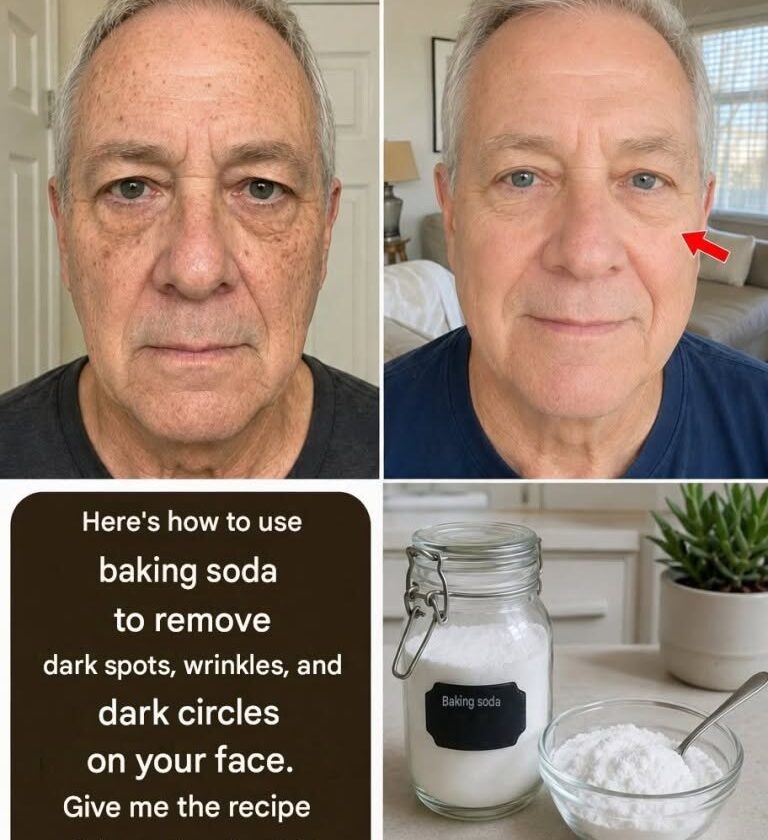
It is sometimes promoted online for acne, dark spots, blackheads and brightening, but that doesn’t mean it is an effective or appropriate treatment for those problems. Irritation itself can worsen acne and contribute to post-inflammatory dark marks.
The biggest problem: skin pH
Healthy facial skin is mildly acidic, generally around pH 5.5. This acidic environment supports the skin barrier and its normal microbial balance. Products that make skin substantially more alkaline can contribute to dryness, flaking, irritation and sensitivity.
Baking soda has a much higher pH than normal skin, so repeatedly applying it isn’t a good way to “balance” your skin.
Risks of putting baking soda on your face
1. Dryness and tightness
It can strip or disturb the skin’s protective barrier, leaving skin dry, rough or flaky.2. Burning, redness and irritation
Especially if you have sensitive skin, eczema, rosacea or an already-damaged skin barrier.3. Worse acne
Irritation can make acne appear worse. Dermatologists specifically recommend avoiding irritating scrubs and unnecessarily harsh products when treating acne.4. Dark marks after irritation
Inflammation from aggressive exfoliation can be followed by increased pigmentation, particularly in people who are prone to dark spots after acne or skin injury.5. Tiny abrasions from scrubbing
The powder is physically abrasive. Vigorous rubbing can damage the skin rather than simply “cleaning the pores.”
Bottom line
Baking soda isn’t necessary for healthy skin, and the risks generally outweigh the benefits on the face. Its main problems are its alkalinity and its potential to encourage over-exfoliation. Your skin’s barrier does better with gentle cleansing, moisturizing and sunscreen than with harsh DIY ingredients.
If you’re specifically considering baking soda for acne, blackheads, pigmentation, oily skin, or facial hair, the best approach is different for each—and I can give you a detailed routine for whichever one you’re targeting.
ChatGPT is AI and can make mistakes.