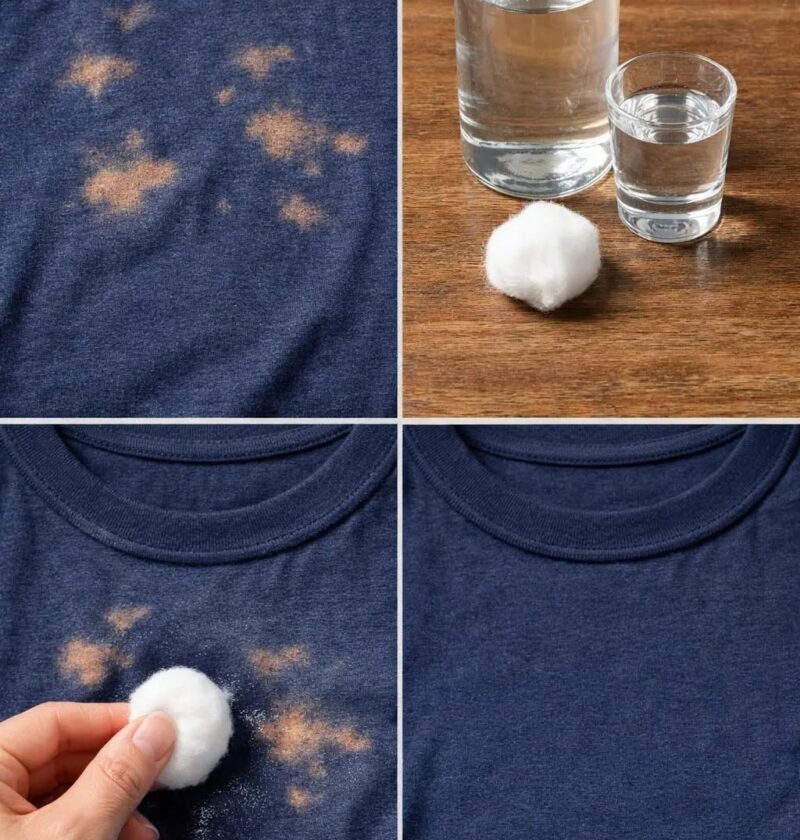
Bleach stains are a bit misleading in online “fix it” posts—because bleach doesn’t actually stain fabric, it removes dye permanently. So the white or orange patch you see isn’t dirt; it’s color that’s already been chemically destroyed.
That means there’s no true “undo” button. But there are a few practical ways to deal with it depending on how you want the clothes to look:
1) Restore color with fabric dye (most effective fix)
If the garment is worth saving, the best option is re-dyeing it using a product like fabric dye.
- Works well on cotton, linen, denim
- You can dye the whole piece to cover the spot
- Or do a “full recolor” to make it look intentional
This is the closest thing to a real solution.
2) Use fabric markers or paint (for small spots)
For tiny bleach marks:
- Fabric markers can match or camouflage the area
- Fabric paint works for slightly larger patches
- Best for patterns or dark clothing
This is a quick cosmetic fix, not permanent restoration.
3) Turn it into a design feature
This is surprisingly popular:
- Add more controlled bleach patterns (tie-dye effect)
- Sew on patches, embroidery, or labels
- Convert into a “distressed” or artistic look
This works well when the stain is in a visible area.
4) Patch or repurpose
If the damage is in a bad spot:
- Turn pants into shorts
- Cut into cleaning cloths
- Use as home wear or sleepwear
What doesn’t work (despite viral claims)
- Vinegar, baking soda, lemon juice → ❌ cannot restore lost dye
- “Neutralizing bleach stains” → ❌ no chemical reversal exists
- Washing repeatedly → ❌ won’t bring color back
Bottom line
Bleach damage is permanent at the chemical level. The real “solution” is either recoloring, disguising, or redesigning—not reversing it.
If you want, tell me the fabric type and color of your clothing, and I can suggest the best exact method and dye brand for it.