That claim is not supported by the medical evidence.
The phrase “cholesterol-lowering drugs cause heart attacks, rapid aging, and brain damage” is a common example of a sensational health claim. For the most widely used cholesterol-lowering drugs, especially Statins, large clinical trials and decades of follow-up have generally found the opposite: statins reduce the risk of heart attacks, strokes, and cardiovascular death in appropriate patients.
A few important points:
- Heart attacks: Statins are prescribed because they lower the risk of heart attacks in many people with cardiovascular disease or elevated risk.
- Brain damage: Current evidence does not show that statins cause progressive brain damage. Some people report memory-related symptoms, but large studies have not demonstrated widespread cognitive harm.
- Rapid aging: There is no established scientific evidence that statins cause accelerated aging.
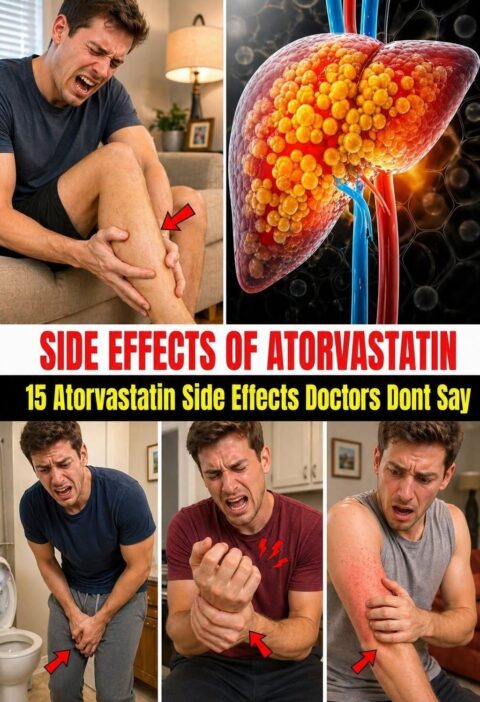
That does not mean cholesterol medications are free of side effects. Possible adverse effects can include:
- Muscle aches or weakness
- Elevated liver enzymes
- A small increase in the risk of developing diabetes in some individuals
- Rare but more serious muscle injury
As for the claim that “two foods” can replace medication: healthy foods can absolutely help improve cholesterol levels, but no specific pair of foods reliably substitutes for prescribed treatment when someone has high cardiovascular risk.
Foods with evidence for cholesterol improvement include:
- Oats and other sources of soluble fiber
- Beans
- Nuts
- Olive oil
- Fatty fish
- Fruits and vegetables
If you saw this in a social media post or video, the “FIRST COMMENT” wording is often used to drive engagement rather than provide reliable medical information.
If you’d like, I can evaluate the specific two foods mentioned in the comment and compare their proven effects with cholesterol medications.