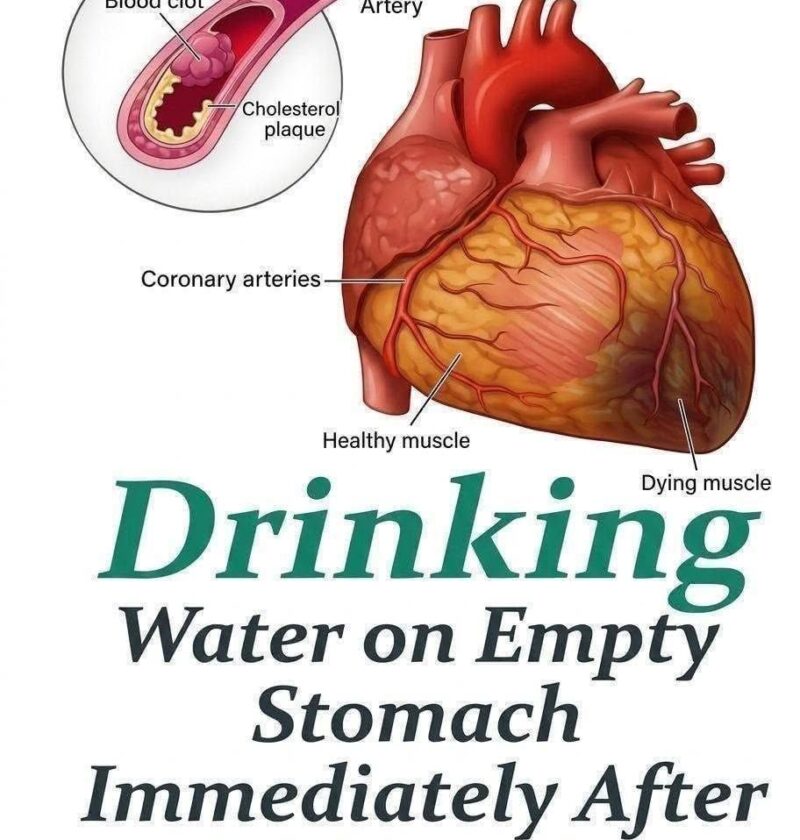
Posts that start with “Did you know that drinking water on an empty stomach could be… see more…” are usually designed to grab attention. The actual claims vary, but here’s what the evidence says:
What drinking water on an empty stomach can do
- Rehydrates your body after several hours without fluids.
- May help you feel full before breakfast, which can reduce how much you eat at that meal.
- Supports normal digestion, although it doesn’t “flush toxins” in a special way.
- Helps maintain normal body functions, including circulation and temperature regulation.
Common myths
There is no good evidence that drinking water on an empty stomach:
- Burns belly fat.
- Dramatically boosts metabolism.
- Detoxifies your body.
- Cures diseases.
- Cleanses the intestines or liver.
Your kidneys and liver already do the job of filtering waste products from your body.
How much should you drink?
There’s no universal rule that everyone should drink a specific amount first thing in the morning. If you’re thirsty after waking up, having a glass of water is a healthy habit, but you don’t need to force yourself to drink large amounts if you aren’t thirsty.
In short, drinking water on an empty stomach is a healthy way to rehydrate, but claims that it has dramatic weight-loss, detox, or disease-curing effects are not supported by scientific evidence.