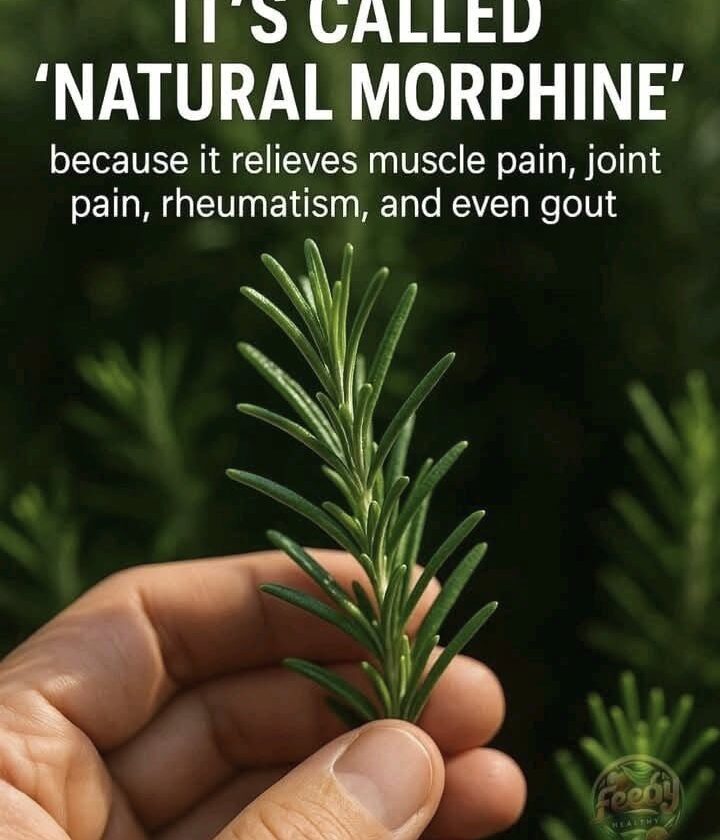
🌿 Rosemary: “Natural Morphine”? Here’s What the Evidence Really Says
Calling rosemary “natural morphine” is misleading. Rosemary contains biologically active compounds and has a long history of culinary and traditional use, but there is no good evidence that rosemary works like morphine or can replace prescription pain medicine.
What might rosemary actually do?
Rosemary contains compounds with antioxidant and anti-inflammatory properties, and researchers have investigated its potential effects on pain and other conditions. However, evidence for herbal products as pain treatments is generally limited, and results vary substantially by product and condition. (NCCIH)
That means a cup of rosemary tea or rosemary used in cooking shouldn’t be presented as a powerful analgesic or opioid substitute.
🫖 If you enjoy rosemary
Using ordinary amounts of rosemary as a culinary herb is generally very different from taking concentrated extracts or essential oil. Don’t swallow rosemary essential oil or apply concentrated oil to the skin without appropriate guidance.
Herbal supplements can also interact with medications, and “natural” doesn’t automatically mean safe. (NCCIH)
🚨 Don’t use it instead of medical care
Persistent or severe pain needs an explanation rather than simply being covered up with an herbal remedy. NCCIH advises against using unproven complementary treatments to postpone evaluation or conventional care. (NCCIH)
Bottom line: Rosemary can be a useful and flavorful herb, but “natural morphine” is marketing language, not an established medical fact. It should not be considered a replacement for appropriate pain treatment.