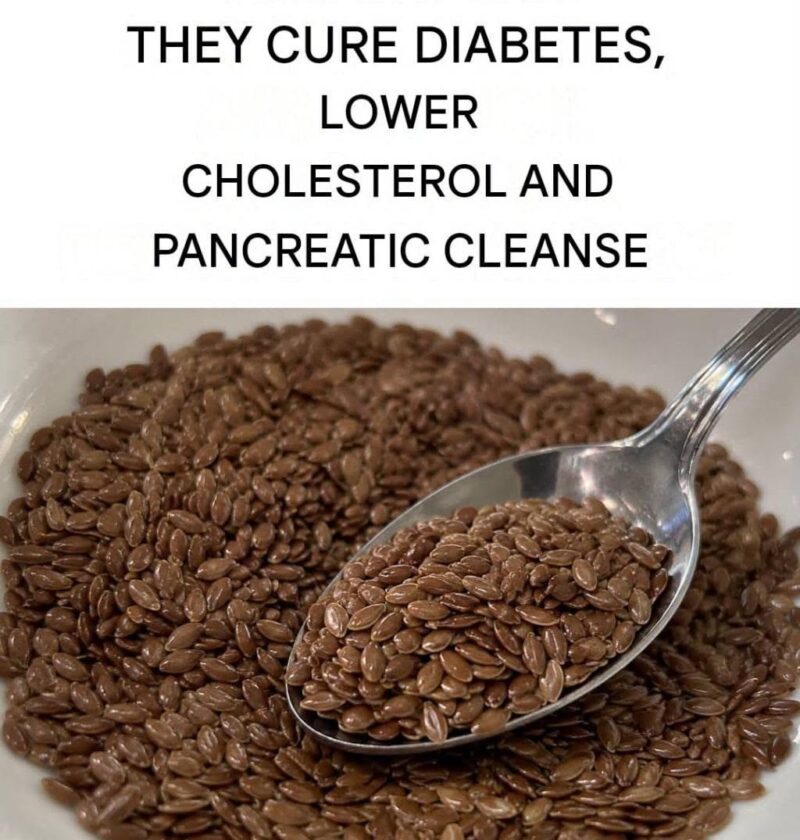
Yes, the seeds in the image appear to be flaxseeds (also called linseeds). They are small, flat, oval-shaped brown seeds with a shiny surface, which matches what is visible here.
What are flaxseeds?
Flaxseeds come from the flax plant (Linum usitatissimum) and are commonly eaten whole, ground, or used to make flaxseed oil.
They contain:
- Omega-3 fatty acids (ALA) — a type of plant-based healthy fat.
- Fibre — which can support digestion and help with feelings of fullness.
- Lignans — plant compounds with antioxidant properties.
- Protein and several minerals.
About the claims in the image
The text claims they “cure diabetes,” “lower cholesterol,” and “cleanse the pancreas.” Those claims are exaggerated.
What research suggests:
- Blood sugar: Flaxseed fibre may help slow digestion and may modestly improve blood glucose control in some people, but it does not cure diabetes.
- Cholesterol: Regular flaxseed intake may help reduce LDL (“bad”) cholesterol in some people, partly due to its fibre content.
- “Pancreas cleansing”: There is no scientific evidence that flaxseeds cleanse or repair the pancreas.
How people commonly eat them
- Add ground flaxseed to porridge, yoghurt, smoothies, or baked goods.
- Grinding them helps the body access their nutrients better than eating them whole.
If someone has diabetes or takes blood-thinning medication, it’s wise to discuss significant dietary changes with a healthcare professional, because flaxseed can affect blood sugar levels and may interact with some medicines.