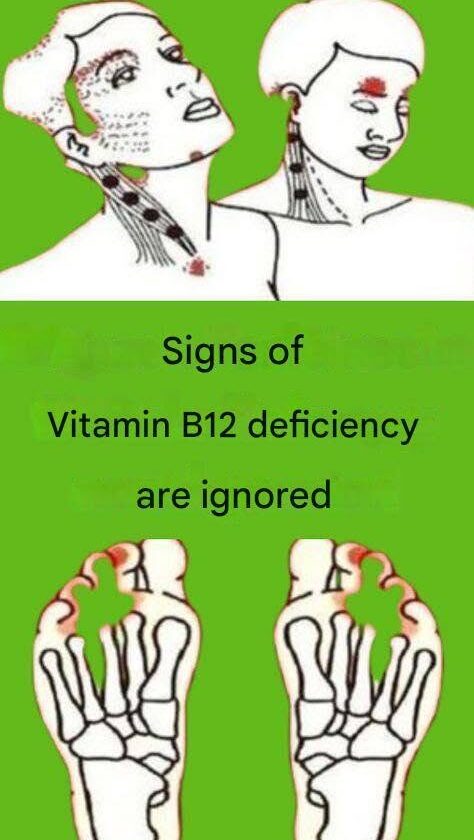
Vitamin B12 deficiency can be overlooked because its symptoms often develop gradually and can resemble other conditions.
Common signs and symptoms include:
- Fatigue or unusual weakness
- Pale or slightly yellowish skin
- Shortness of breath during exertion
- Dizziness or lightheadedness
- Tingling, numbness, or “pins and needles” in the hands and feet
- Difficulty with balance or walking
- Memory problems, difficulty concentrating, or confusion
- Mood changes such as irritability or depression
- A sore, red tongue or mouth ulcers
- Reduced appetite or weight loss
People at higher risk include:
- Older adults
- Strict vegans who do not use B12-fortified foods or supplements
- People with conditions that affect absorption, such as Pernicious Anemia or Crohn’s Disease
- People who have had certain stomach or intestinal surgeries
- Some individuals taking long-term medications that can affect B12 absorption
A blood test is usually needed to confirm a deficiency. If someone is experiencing symptoms such as numbness, balance problems, or cognitive changes, it’s a good idea to seek medical evaluation because untreated B12 deficiency can sometimes lead to lasting nerve damage.
If you’re concerned about yourself, I can also explain the most common causes of B12 deficiency and which tests doctors typically order.