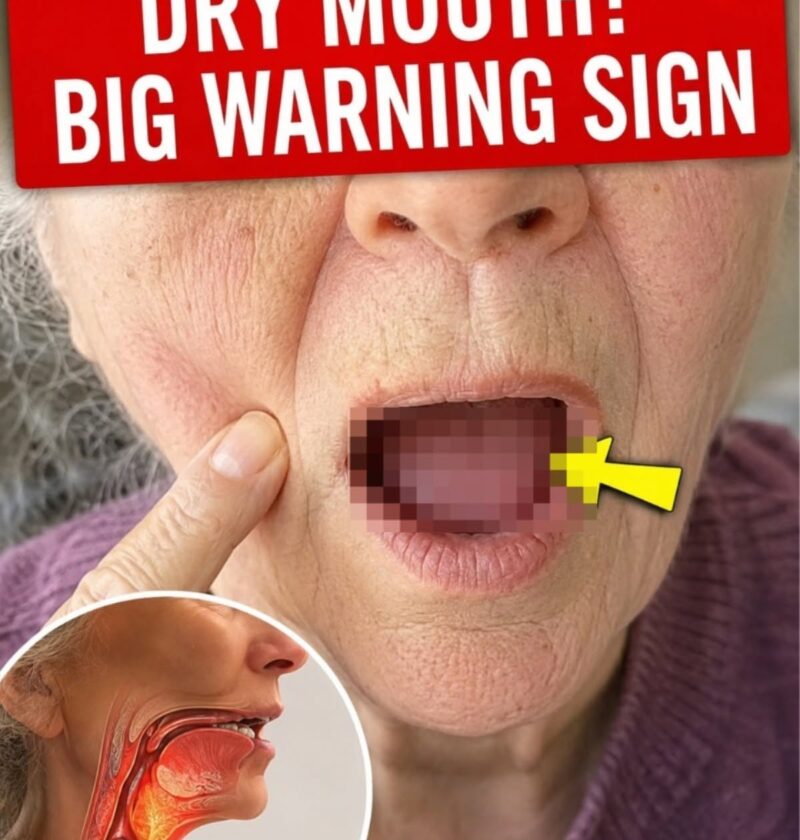
Dry Mouth Every Morning? Possible Reasons Your Body May Be Signalling
Waking up with a dry mouth is common, but if it happens every day, it may be worth looking into the cause. Dry mouth (also called xerostomia) occurs when your body does not produce enough saliva or your mouth dries out during sleep.
A dry mouth by itself does not always indicate a serious problem, but persistent symptoms can sometimes point to an underlying issue.
1. Breathing Through Your Mouth While Sleeping
One of the most common causes is sleeping with your mouth open, which can happen because of:
- Nasal congestion
- Allergies
- A blocked nose
- Sleeping position
You may also notice:
- Snoring
- A dry throat
- Waking up thirsty
2. Dehydration
Not drinking enough fluids during the day or losing fluids overnight can contribute to morning dryness.
Signs may include:
- Dark yellow urine
- Thirst
- Headaches
- Feeling tired
3. Medication Side Effects
Many medicines can reduce saliva production, including some used for:
- High blood pressure
- Allergies
- Depression
- Anxiety
- Pain
- Sleep problems
If you suspect a medication is causing dry mouth, speak with your healthcare professional before making any changes.
4. High Blood Sugar or Diabetes
Persistent dry mouth can sometimes occur with elevated blood sugar.
Other possible signs include:
- Increased thirst
- Frequent urination (especially at night)
- Unexplained weight loss
- Fatigue
- Blurred vision
If these symptoms occur together, a blood sugar check may be appropriate.
5. Snoring or Sleep Apnoea
Dry mouth in the morning is common in people with sleep-disordered breathing.
Possible clues include:
- Loud snoring
- Gasping or choking during sleep
- Morning headaches
- Excessive daytime sleepiness
A healthcare professional can assess whether a sleep study is needed.
6. Mouth and Dental Problems
Low saliva levels can increase the risk of:
- Tooth decay
- Gum irritation
- Bad breath
- Mouth infections
Saliva helps protect teeth and maintain a healthy oral environment.
7. Hormonal Changes or Autoimmune Conditions
Some conditions that affect saliva glands, such as Sjögren syndrome, can cause ongoing dry mouth and dry eyes.
What You Can Try
- Drink enough water throughout the day.
- Use a humidifier if your bedroom air is very dry.
- Treat nasal congestion if appropriate.
- Avoid alcohol and tobacco, which can worsen dryness.
- Practise good oral hygiene.
- Consider sugar-free chewing gum or lozenges to stimulate saliva (if suitable for you).
When to Seek Medical Advice
Arrange a check-up if dry mouth:
- Lasts for weeks or months
- Makes swallowing or speaking difficult
- Causes frequent cavities or mouth sores
- Comes with dry eyes, joint pain, or unusual fatigue
- Occurs with increased thirst and frequent urination