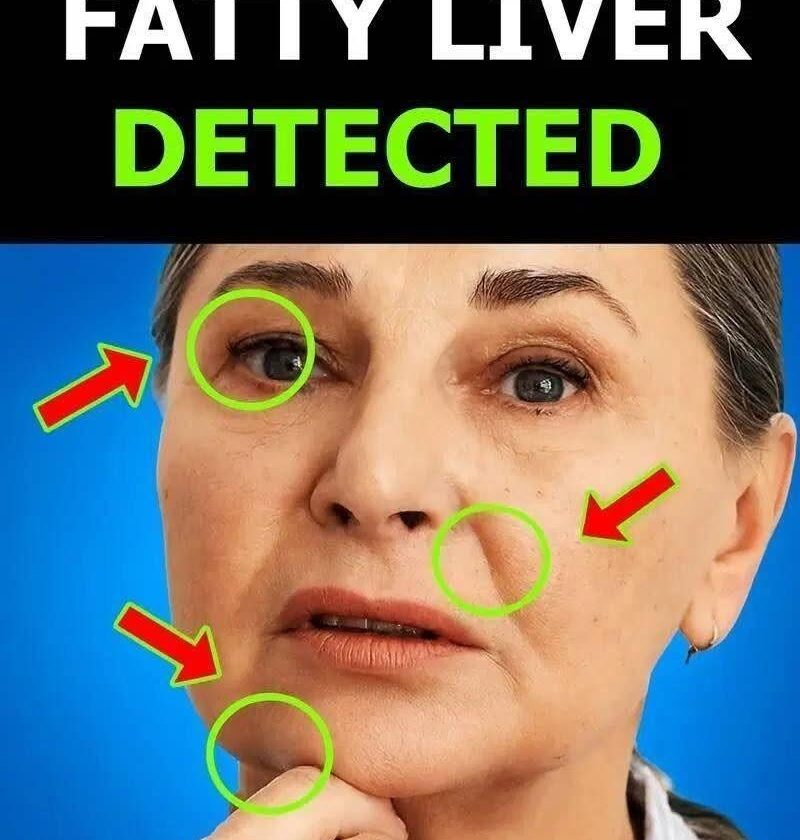
In fact, many people with fatty liver disease have no symptoms at all, especially in its early stages. It is often discovered during blood tests or imaging done for another reason.
Possible signs and symptoms
When symptoms do occur, they may include:
- Fatigue
- A feeling of discomfort or fullness in the upper right side of the abdomen
- Unexplained enlargement of the liver (found during a medical exam)
As liver disease progresses, more serious signs can develop, such as:
- Yellowing of the skin or eyes (jaundice)
- Swelling of the abdomen or legs
- Easy bruising or bleeding
- Confusion or difficulty concentrating (in advanced liver disease)
What do many people with fatty liver have in common?
Many—but not all—people with fatty liver share one or more of these risk factors:
- Overweight or obesity, especially excess abdominal fat
- Type 2 diabetes or prediabetes
- High cholesterol or high triglycerides
- High blood pressure
- Metabolic syndrome
- Heavy alcohol use (for alcohol-related fatty liver)
However, people who are not overweight can also develop fatty liver, so these are risk factors, not requirements.
How is fatty liver diagnosed?
Healthcare professionals may use:
- Blood tests to assess liver enzymes
- An ultrasound or other imaging tests
- Sometimes specialized scans or, less commonly, a liver biopsy
Can it improve?
For many people with non-alcoholic fatty liver disease, the condition can improve with:
- Gradual weight loss if overweight
- Regular physical activity
- A balanced diet rich in vegetables, fruits, whole grains, and lean protein
- Managing diabetes, cholesterol, and blood pressure
- Limiting or avoiding alcohol, depending on the cause and your clinician’s advice
If you think you may have fatty liver or have been told you do, a healthcare professional can recommend the most appropriate evaluation and treatment plan based on your individual situation.