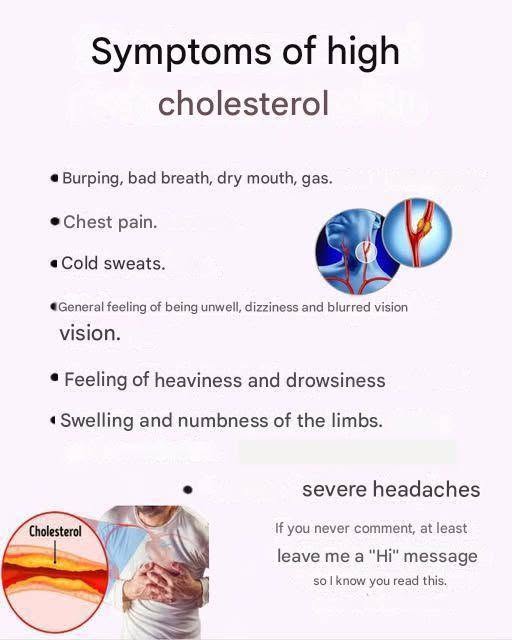
High Cholesterol: The Silent Enemy That Doesn’t Always Show Its Face
High cholesterol is often called a “silent” condition because it usually causes no noticeable symptoms. Many people feel completely healthy while cholesterol levels are gradually contributing to plaque buildup inside their arteries.
Over time, high levels of LDL cholesterol (“bad” cholesterol) can increase the risk of:
- Heart attacks.
- Strokes.
- Peripheral artery disease (reduced blood flow to the limbs).
Why cholesterol can be dangerous without symptoms
Cholesterol is a waxy substance your body needs to make hormones, vitamin D, and cell membranes. The problem occurs when there is too much LDL cholesterol circulating in the blood.
Excess LDL can enter artery walls and contribute to atherosclerosis, a process where arteries become narrower and less flexible. This may reduce blood flow or contribute to blood clots.
Possible warning signs of very high cholesterol
Most people have no symptoms, but in rare cases of extremely high cholesterol (often due to inherited conditions), signs may include:
- Xanthomas: Yellowish fatty deposits under the skin, often around tendons or joints.
- Xanthelasma: Yellowish patches around the eyelids.
- A grayish ring around the cornea (especially at a younger age).
These signs are not common and require medical evaluation.
Who should be more aware of cholesterol levels?
Risk can be higher with:
- Family history of high cholesterol or early heart disease.
- High blood pressure.
- Diabetes.
- Smoking.
- Excess body weight.
- A diet high in saturated and trans fats.
- Low physical activity.
How cholesterol is checked
A simple blood test called a lipid panel can measure:
- LDL cholesterol
- HDL cholesterol (“good” cholesterol)
- Triglycerides
- Total cholesterol
Your ideal levels depend on your overall heart risk, not just one number