Home Teeth Whitening: Get a Brighter Smile in Just 2 Minutes!
Want your teeth to look fresher and brighter without spending a fortune at the dentist?
You may be surprised by how much difference a simple 2-minute oral-care routine can make. While no safe home method can realistically bleach naturally colored teeth several shades in just two minutes, brushing correctly can remove surface stains and plaque, helping your smile look cleaner and brighter.
The key is to avoid aggressive “instant whitening” tricks that can damage tooth enamel or irritate your gums.
Step 1: Brush for Two Minutes
Start with a soft-bristled toothbrush and fluoride toothpaste.
Brush gently for about two minutes, making sure you clean the front, back, and chewing surfaces of your teeth. Pay particular attention to areas where plaque and surface staining commonly accumulate.
Don’t scrub aggressively.
Brushing harder does not necessarily make teeth whiter. Excessive pressure can irritate your gums and contribute to enamel wear.
Step 2: Use a Whitening Toothpaste If Appropriate
A whitening toothpaste can help remove some surface stains caused by foods and drinks.
Coffee, tea, red wine, tobacco, and certain strongly colored foods can gradually discolor the outer surface of teeth.
Whitening toothpaste generally works by using mild abrasives or other ingredients to help remove these external stains.
However, it is important to understand the difference between removing stains and bleaching teeth.
A whitening toothpaste may make your natural tooth color appear brighter, but it generally won’t dramatically change the underlying color of the tooth.
Step 3: Don’t Use Lemon or Vinegar
One of the most common internet whitening tricks is rubbing teeth with lemon juice, vinegar, or another acidic substance.
This is a bad idea.
Acids can erode tooth enamel. Once enamel is significantly worn away, it does not grow back.
You may temporarily feel that your teeth look cleaner, but repeatedly exposing them to acids can ultimately make them more sensitive and potentially make their appearance worse.
Skip the lemon. Protect your enamel instead.
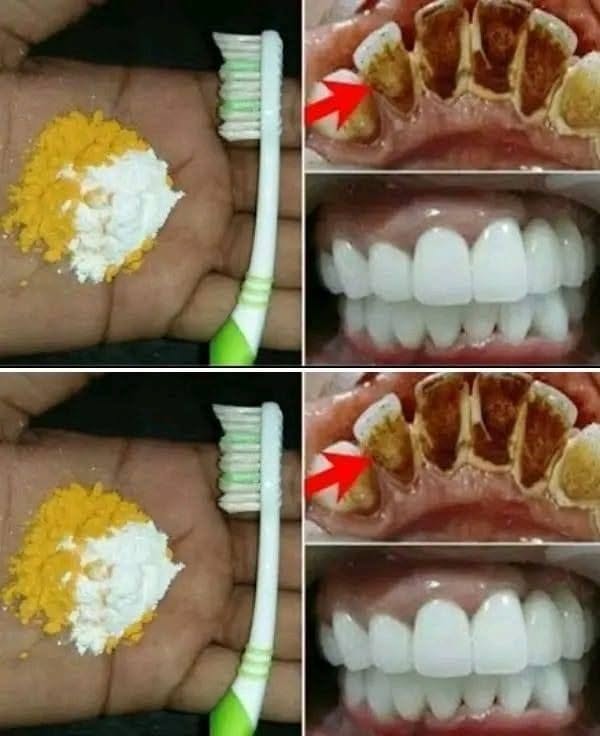
Step 4: Be Careful With Baking Soda
Baking soda appears in many homemade teeth-whitening recipes.
Although baking soda can have stain-removing properties and is included in some commercial toothpastes, using abrasive homemade mixtures aggressively or too frequently isn’t a good whitening strategy.
If you want to use a baking-soda-containing product, a professionally formulated toothpaste is generally a better choice than repeatedly scrubbing your teeth with kitchen ingredients.