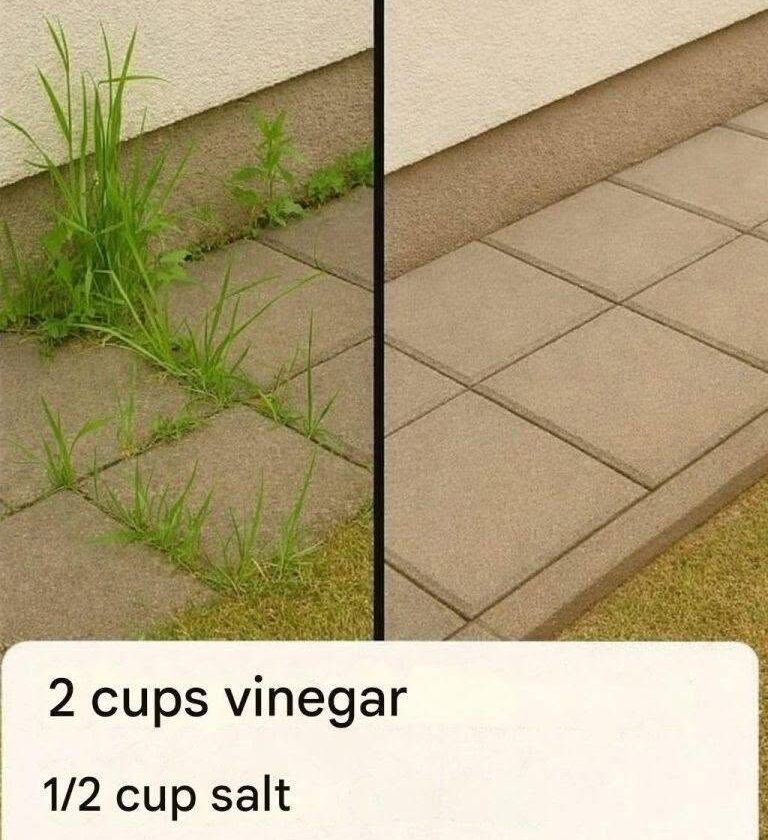
How to Make a Homemade Herbicide: Simple, Natural, and Budget-Friendly Options
Many people look for homemade weed killers as an alternative to commercial herbicides. A common DIY approach uses household ingredients, but it is important to understand that “natural” does not always mean harmless. Some homemade mixtures can damage desirable plants, affect soil quality, or harm nearby grass and garden life.
Simple Homemade Weed Spray (for unwanted weeds)
Ingredients
- 1 gallon (about 4 liters) of white vinegar
- 1 cup of salt
- A small amount of liquid dish soap (optional)
How it works
- Vinegar: The acidity can burn plant leaves and dry out young weeds.
- Salt: Draws moisture from plants and can make the area less suitable for plant growth.
- Dish soap: Helps the mixture stick to leaves.
Instructions
- Mix the ingredients in a spray container.
- Spray directly onto weed leaves on a dry, sunny day.
- Avoid spraying nearby plants you want to keep.
- Repeat if needed, as some weeds may regrow from their roots.
Important Safety Tips
Avoid using salt in garden beds
Salt can build up in soil and damage:
- Flowers
- Vegetables
- Grass
- Soil organisms
It is better suited for places where you do not want plants to grow, such as:
- Cracks in sidewalks
- Gravel paths
- Driveways
Use vinegar carefully
Household vinegar may only affect the leaves. Many deep-rooted weeds can return because the roots remain alive.
Protect yourself
When applying any weed-control mixture:
- Avoid contact with eyes and skin
- Do not spray on windy days
- Keep pets and children away until the area is dry
Other Natural Weed-Control Methods
Hand pulling
Best for:
- Small gardens
- Young weeds
- Areas near valuable plants
Removing the roots improves results