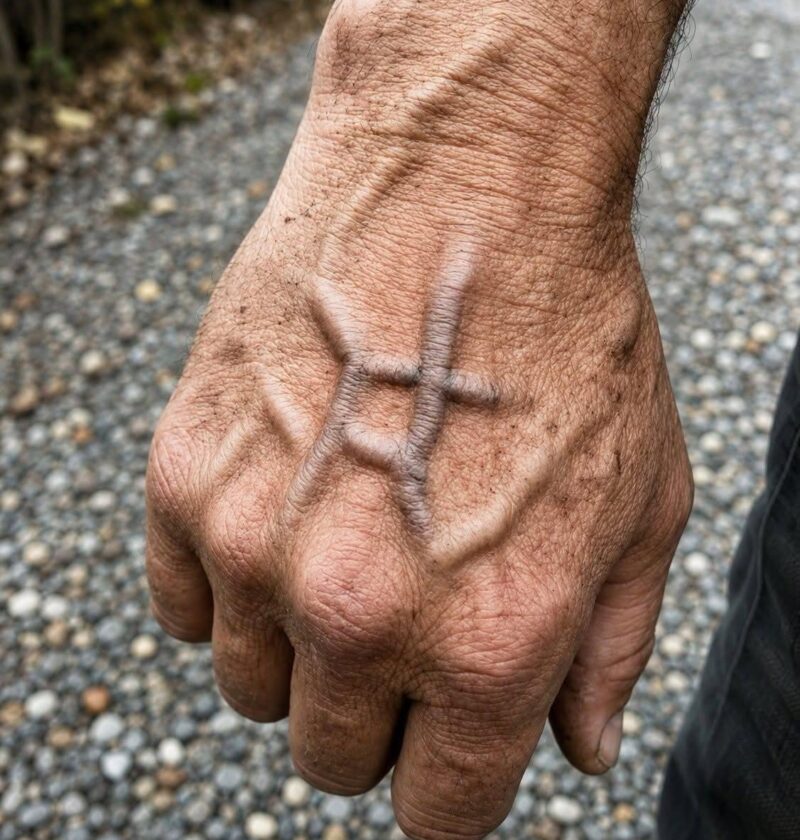
If you’re referring to the viral headline “If you have visible veins, it means you are…”, the missing word is not necessarily “healthy” or “sick.” Visible veins can be completely normal.
🩸 Why your veins may be visible
- Low body fat — less tissue covers superficial veins, making them easier to see.
- Exercise — increased blood flow and muscle development can make veins, particularly in the arms and hands, more prominent.
- Heat — warm temperatures can widen superficial blood vessels.
- Genetics — some people naturally have veins closer to the skin.
- Aging — thinner, less elastic skin can make veins more noticeable. (Cleveland Clinic)
When visible veins may indicate a problem
If the veins are bulging, twisted or rope-like, particularly in the legs, they may be varicose veins. These occur when valves in the veins don’t work properly and blood pools in the veins. (Mayo Clinic)
More concerning is a new, sudden change, especially if one leg becomes swollen, painful, warm or red. Those symptoms can occur with a deep-vein thrombosis (DVT) and should be medically assessed promptly. (www.heart.org)
Bottom line: Visible veins by themselves usually don’t mean that you have a disease. If they’ve always been prominent and there is no pain or swelling, they’re often simply a normal feature of your body.