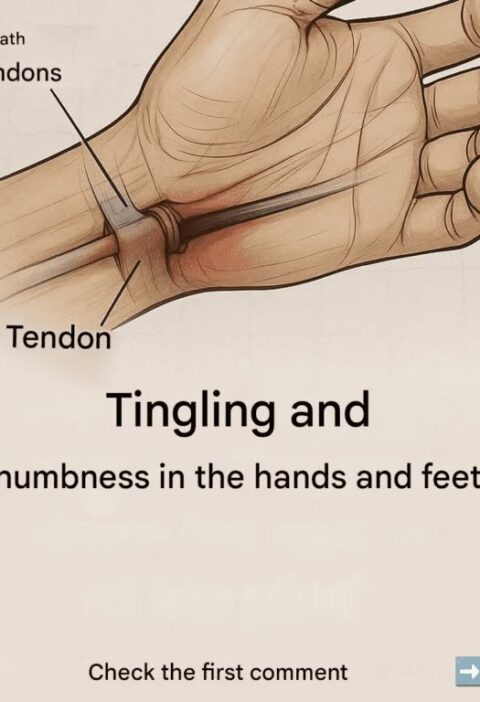
Headlines like “stop vitamin D immediately if you have 4 symptoms” are usually clickbait. In real medical practice, doctors don’t rely on symptoms alone to tell someone to suddenly stop Vitamin D. Instead, they check blood levels of vitamin D and calcium.
When vitamin D could actually be a problem
True vitamin D excess (toxicity) is rare and usually comes from taking very high-dose supplements for a long time.
Possible warning signs linked to high calcium levels include:
- Nausea or vomiting
- Loss of appetite
- Excessive thirst and frequent urination
- Constipation or stomach discomfort
- Unusual weakness or confusion
Important reality
These symptoms are:
- Not specific to vitamin D toxicity
- Can be caused by many common illnesses (dehydration, infections, diabetes, etc.)
- Only meaningful when combined with high blood calcium on a lab test
What doctors actually do
If vitamin D toxicity is suspected, they:
- Check 25-hydroxy vitamin D blood level
- Check blood calcium and kidney function
- Review supplement dose and duration
Should you stop vitamin D if you feel unwell?
Not automatically.
Stopping suddenly without testing can be a mistake because:
- Many people take vitamin D for bone health, deficiency, or medical conditions
- Symptoms alone are unreliable
Bottom line
Vitamin D is generally safe at recommended doses. The real risk comes from long-term high dosing, not ordinary supplementation. The correct response to symptoms is medical testing, not panic stopping.
If you want, I can tell you the safe daily dose ranges and signs of deficiency vs excess side-by-side, which makes it much easier to understand.