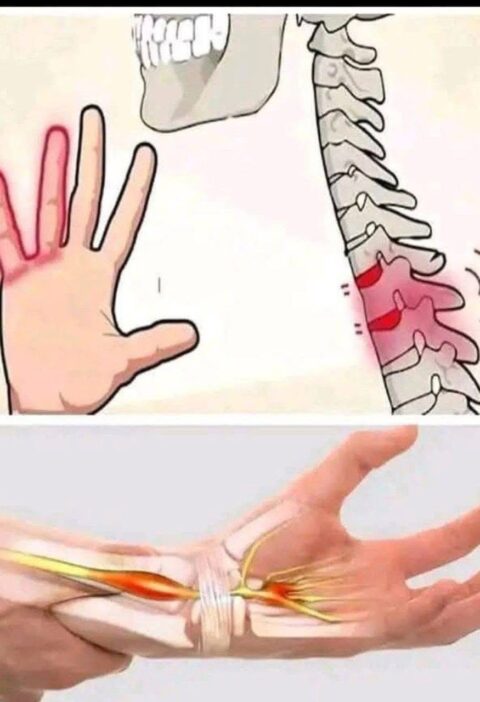
🧠 Lou Gehrig’s Disease: Early Symptoms You Should Know
Lou Gehrig’s disease, medically known as amyotrophic lateral sclerosis (ALS), is a progressive neurological disease that damages the motor neurons responsible for voluntary muscle movement. Early symptoms can be subtle and vary considerably from person to person. (Mayo Clinic)
1. 💪 Muscle weakness
One of the most common early signs is gradually worsening weakness, often beginning in one hand, arm, leg, or foot. Someone might have trouble opening jars, climbing stairs, or lifting objects.
2. 👟 Tripping or falling
Weakness in the legs or feet can lead to frequent tripping, stumbling, or falls.
3. ✋ Hand clumsiness
Difficulty with buttons, writing, using utensils, or other fine-motor tasks can occur when ALS begins in the hands.
4. ⚡ Muscle twitching
Small involuntary muscle movements, called fasciculations, may occur, particularly alongside progressive weakness.
5. 🦵 Muscle cramps
Persistent or unusual muscle cramps can be an early symptom, especially when they occur together with weakness or twitching. (Mayo Clinic)
6. 🗣️ Slurred speech
When ALS affects the muscles involved in speaking, speech may become slower or slurred. Some people initially notice difficulty pronouncing certain words.
7. 🍽️ Difficulty swallowing
Trouble swallowing food or liquids can occur when the muscles controlling swallowing become affected.
8. 🧍 Difficulty maintaining posture
Weakness in the neck or trunk can make it harder to hold the head up or maintain normal posture. (Mayo Clinic News Network)
⚠️ These symptoms don’t automatically mean ALS
This is important: muscle twitching, cramps, weakness, or difficulty walking have many possible causes, and ALS can be difficult to diagnose because its early symptoms can resemble those of other neurological conditions. Doctors use a neurological examination and tests such as EMG and nerve-conduction studies, while also ruling out other conditions. (Mayo Clinic)
If you have progressive or unexplained muscle weakness, persistent twitching accompanied by weakness, or new difficulty speaking or swallowing, arrange an evaluation with a healthcare professional, often a neurologist.
Bottom line: The key feature that raises concern for ALS is generally progressive muscle weakness, rather than an isolated muscle twitch or occasional cramp. Early assessment is important because many other, more treatable conditions can produce similar symptoms. (Mayo Clinic)