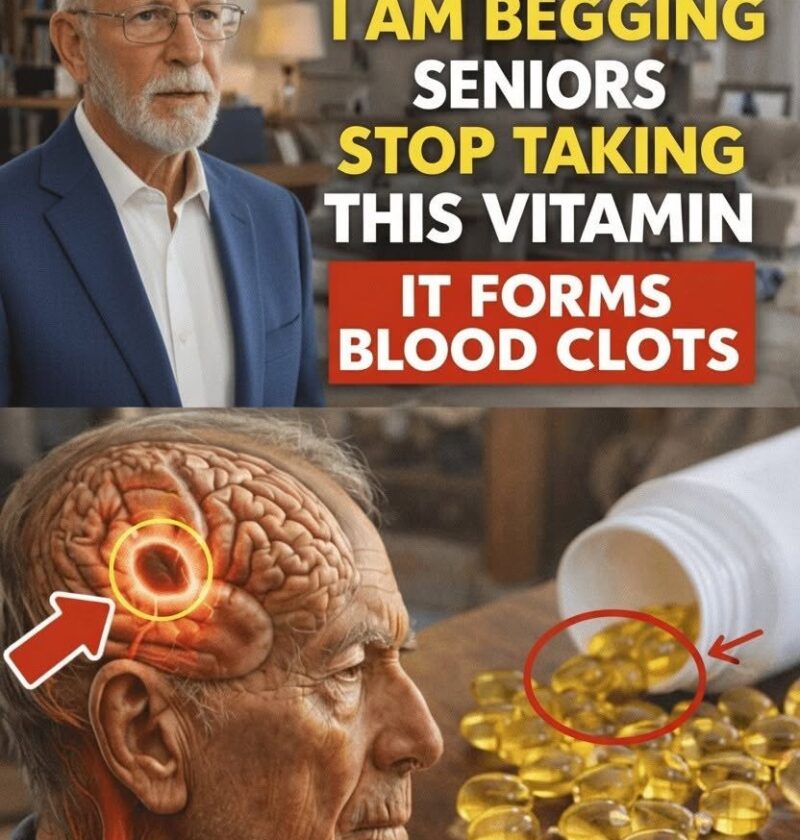
If you’re fact-checking “Navigating Vitamin Habits: Understanding Stroke Risk for Older Adults and Brain Health,” the key point is that vitamins can correct deficiencies, but taking large amounts of supplements is not a proven strategy for preventing stroke or dementia.
What older adults should know
Vitamin B12: Deficiency becomes more common with age because absorption from food can decrease. B12 is important for healthy nerves and blood cells, so supplementation can be appropriate when someone is deficient or has difficulty absorbing it.
N
National Institute on Aging
+1
Folate/folic acid: There is evidence that folic acid can modestly reduce stroke risk, particularly in people with low folate intake/status and in populations without folic-acid food fortification. That doesn’t mean everyone should take high-dose folic acid.
O
ODS
Vitamin D: Important for bone and muscle health, but taking extra vitamin D has not been established as a way to prevent dementia.
N
National Institute on Aging
+1
B-vitamin supplements and memory: Although B vitamins can lower homocysteine, clinical evidence hasn’t consistently shown that supplementation improves cognitive function in older adults.
N
NCCIH
+1
Multivitamins: Some recent trials have found modest improvements in memory/cognition among older adults, but no vitamin or supplement is currently recommended specifically for preventing Alzheimer’s disease or other dementia.
N
National Institute on Aging
What has a much stronger effect on stroke risk?
For older adults, controlling blood pressure is far more important than taking a particular “brain vitamin.” High blood pressure is the leading modifiable risk factor for stroke, and controlling it can also benefit brain health. Cholesterol, diabetes, smoking, physical inactivity, and heart conditions such as atrial fibrillation are also important.
N
NINDS
+1
A nutrient-rich diet, regular physical activity, not smoking, and taking prescribed medications correctly have substantially stronger evidence for reducing cardiovascular and stroke risk than megadoses of supplements.
N
NINDS
+1
Bottom line: The goal isn’t to take lots of vitamins “for the brain.” Correct deficiencies, avoid excessive doses, and focus on blood-pressure and cardiovascular-risk control. Supplements can also interact with medications, so older adults should review their vitamins and supplements with a doctor or pharmacist.
N
National Institute on Aging
+1
N
O
N
Sources