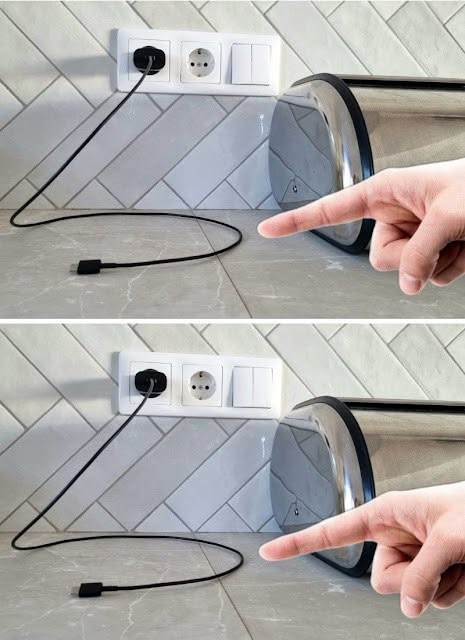
That headline is partly based on real electrical-safety advice, but it exaggerates the danger. A modern, good-quality phone charger does not automatically become dangerous simply because it remains plugged into the wall with no phone attached.
The three sensible concerns are:
- Small amounts of electricity are still consumed.
A plugged-in charger can draw a small amount of standby power even when it isn’t charging a phone. Unplugging it eliminates that consumption. - A faulty or damaged charger can be a fire or shock hazard.
Damaged cords, loose connections, poor-quality/counterfeit chargers, or damaged outlets are much more concerning than a normal certified charger sitting unused. ESFI recommends using manufacturer-approved chargers and avoiding uncertified products. (ESFI) - Heat and electrical faults are the real safety concerns.
Electrical-safety organizations recommend unplugging charging equipment when appropriate and avoiding unattended charging, particularly with lithium-ion batteries. NFPA also advises using certified products and stopping use if a device or charger becomes unusually hot, smells strange, swells, leaks, smokes, or makes unusual noises. (NFPA)
So, should you unplug it?
Yes, it’s a good habit, especially before leaving home for an extended period. But the claim that every empty phone charger left in an outlet is likely to cause a fire is not accurate.
The bigger priorities are: use a reputable/certified charger, replace damaged cables or plugs, keep chargers away from heat and moisture, and don’t cover them with bedding or other materials that can trap heat. (ESFI)