Here’s a detailed, medically responsible version:
💧 What Happens to Your Body If You Don’t Drink Enough Water?
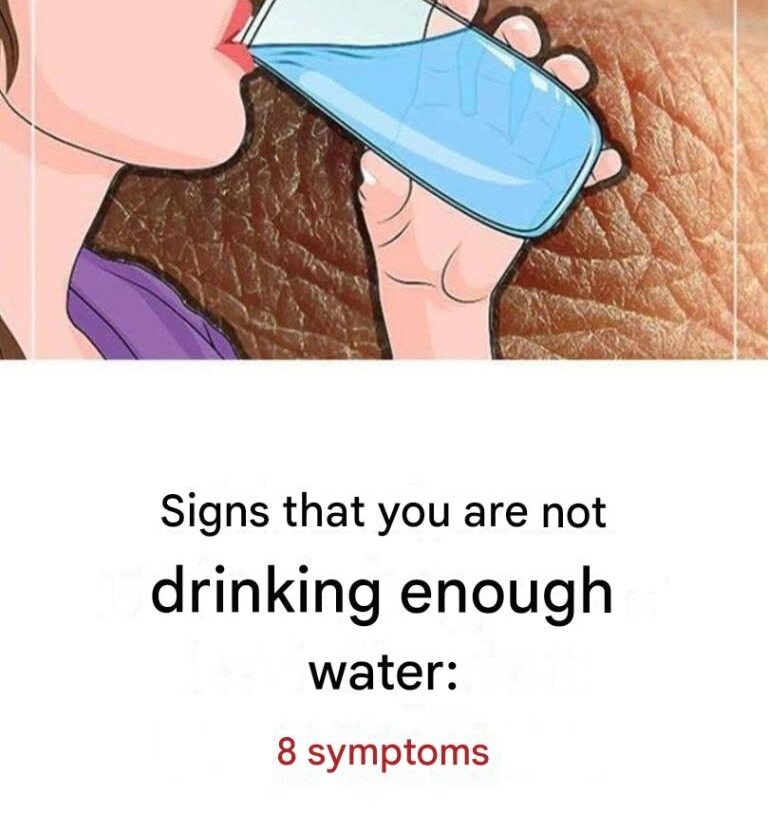
Water is essential for nearly every system in your body. When you don’t get enough fluids, your body can become dehydrated, and the effects can range from mild thirst to a potentially serious medical emergency.
1. 💧 You Become Thirsty
Thirst is one of your body’s earliest signals that you need more fluids. A dry or sticky mouth can occur as your body tries to conserve water.
2. 🟡 Your Urine May Become Darker
When you’re dehydrated, your kidneys conserve water, which can make your urine more concentrated and darker yellow. Urine color can provide a clue, although it isn’t a perfect measure of hydration.
3. 🤕 You May Develop a Headache
Mild dehydration can be associated with headaches in some people. If you develop a severe or unusual headache, however, don’t automatically assume dehydration is the cause.
4. 😴 You May Feel Tired or Weak
Not getting enough fluids can leave you feeling fatigued, weak, dizzy, or less energetic.
5. 🧠 Your Concentration Can Suffer
Dehydration can affect how you feel and perform mentally. You may notice difficulty concentrating or feeling unusually sluggish.
6. 🚽 You May Urinate Less
As the body tries to conserve water, you may urinate less frequently and produce smaller amounts of urine.
7. ❤️ Your Heart May Have to Work Harder
More significant dehydration can reduce blood volume, which may contribute to a faster heartbeat and lower blood pressure.
8. 🌡️ Your Body Can Have Trouble Cooling Itself
Water is important for sweating and temperature regulation. Severe dehydration can interfere with the body’s ability to cool itself, particularly during exercise or hot weather.
9. 🧂 Your Electrolytes Can Become Imbalanced
Severe fluid loss can disturb important electrolytes such as sodium and potassium. This can become dangerous, especially when dehydration results from prolonged vomiting, diarrhea, heavy sweating, or certain illnesses.
10. 🚨 Severe Dehydration Can Be an Emergency
Serious dehydration can cause confusion, fainting, extreme weakness, very little or no urine, rapid breathing, or a rapid heartbeat. Severe dehydration requires urgent medical attention.
💦 How Can You Stay Hydrated?
You don’t necessarily need to force yourself to drink a fixed amount of water every day. Fluid needs vary depending on body size, activity, weather, diet, illness, pregnancy, medications, and other factors.
Drink regularly throughout the day and increase fluids when you’re losing more water through sweating, vomiting, diarrhea, or exercise.
Remember that fluids also come from foods and beverages—not just plain water.
⚠️ Don’t Overdo It
More water isn’t always better. Drinking extremely large amounts of water in a short period can dangerously dilute the sodium in your blood.
If you have kidney, heart, or liver problems—or have been told to restrict fluids—follow your healthcare professional’s advice rather than general hydration recommendations.
❤️ The goal is simple: give your body enough fluid to function well, especially when you’re losing more water than usual.