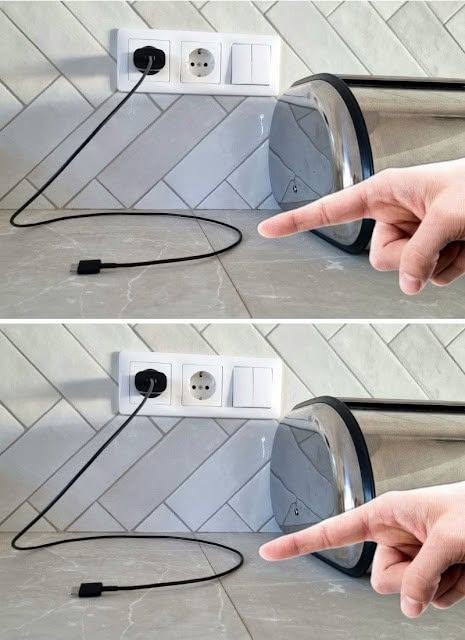
The claim “Never leave a charger in an outlet without your phone” is often written to sound alarming, but the reality is more nuanced.
Leaving a phone charger plugged in does not automatically mean it is dangerous if you are using a quality, undamaged charger from a reputable manufacturer. Modern chargers are designed to reduce power use when they are not charging a device.
However, there are some valid reasons to be cautious:
1. Fire risk from damaged or poor-quality chargers
- Cheap counterfeit chargers or damaged cables can overheat, short-circuit, or fail.
- Frayed wires, cracked plugs, or loose connections increase risk.
2. Small amount of energy use
- A charger left plugged in may draw a small amount of “standby” power even when not connected to a phone.
- The cost is usually very low, but unplugging unused electronics can reduce wasted energy.
3. Wear and electrical safety
- Constant exposure to heat, moisture, power surges, or unstable outlets can contribute to equipment failure over time.
- Unplugging chargers in high-risk situations (such as during storms or when leaving home for a long period) can add protection.
Good charger habits:
- Use original or certified chargers.
- Replace damaged cables and adapters.
- Avoid covering chargers with blankets or placing them on flammable surfaces while charging.
- Don’t use chargers that become unusually hot, smell burnt, or make buzzing noises.
So the advice is not that every plugged-in charger is dangerous—it’s mainly about using safe equipment and avoiding damaged or low-quality chargers.