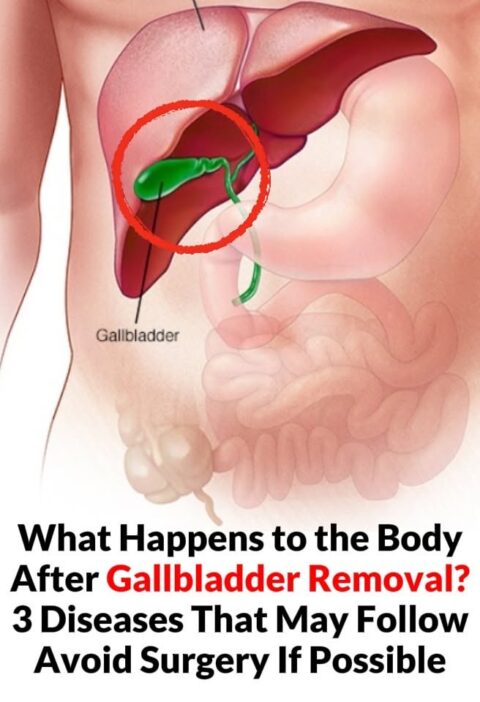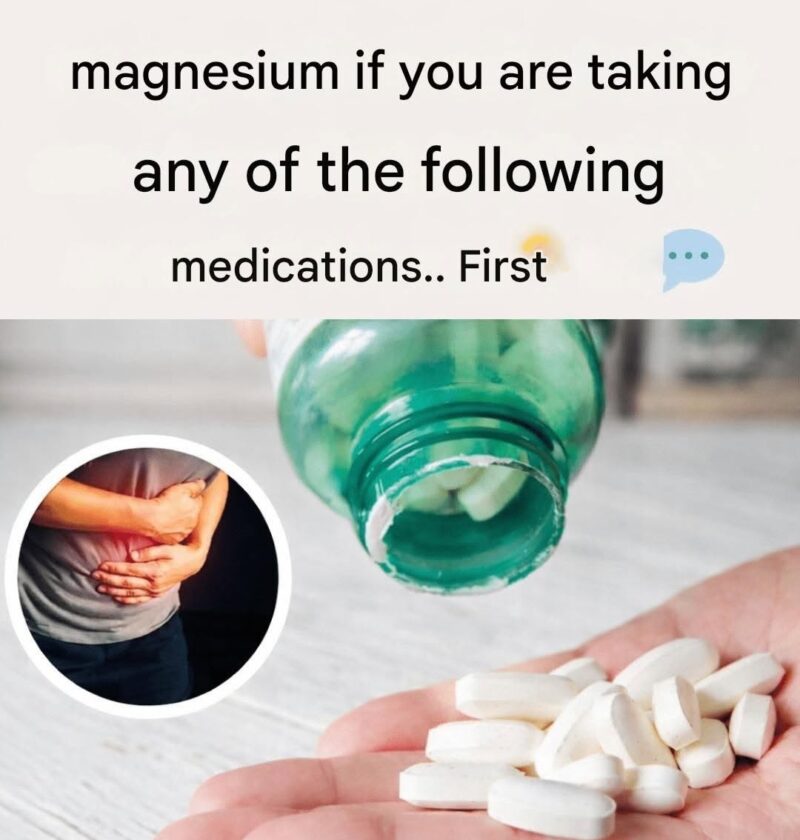
That headline is alarmist. Magnesium is not something you “never” use with medications. In most cases it’s safe, but it can interfere with the absorption or effectiveness of certain drugs, especially if taken at the same time.
Here’s what’s actually going on:
🧪 Medications that can interact with magnesium
1. Certain antibiotics (most important)
Magnesium can bind to these in the gut and reduce absorption:
- Tetracyclines (e.g., doxycycline)
- Fluoroquinolones (e.g., ciprofloxacin, levofloxacin)
What to do:
Separate doses by 2–6 hours.
2. Thyroid medication
- Levothyroxine
Magnesium can reduce how much is absorbed.
What to do:
Take at least 4 hours apart.
3. Osteoporosis medications
- Bisphosphonates (e.g., alendronate)
Magnesium can block absorption.
What to do:
Take these alone on an empty stomach, separate from magnesium.
4. Some diuretics and heart medications (special cases)
- Interaction risk is usually about electrolyte balance, not direct danger
- More important in people with kidney disease or high doses
⚠️ When magnesium actually becomes risky
Not because of routine medications—but when:
- You take very high doses
- You have kidney disease (can’t remove excess magnesium)
This is where levels can build up and cause problems.
💡 Key takeaway
- Magnesium is widely used and generally safe
- The issue is timing + specific drugs, not “never combine”
- Most interactions are manageable with spacing doses
Bottom line
The headline is exaggerated. The real message should be:
“Magnesium can interfere with certain medications if taken together—separate dosing when needed.”
If you want, tell me the specific medication you saw mentioned in that post, and I’ll check whether the interaction is actually important or just internet fear-mongering.