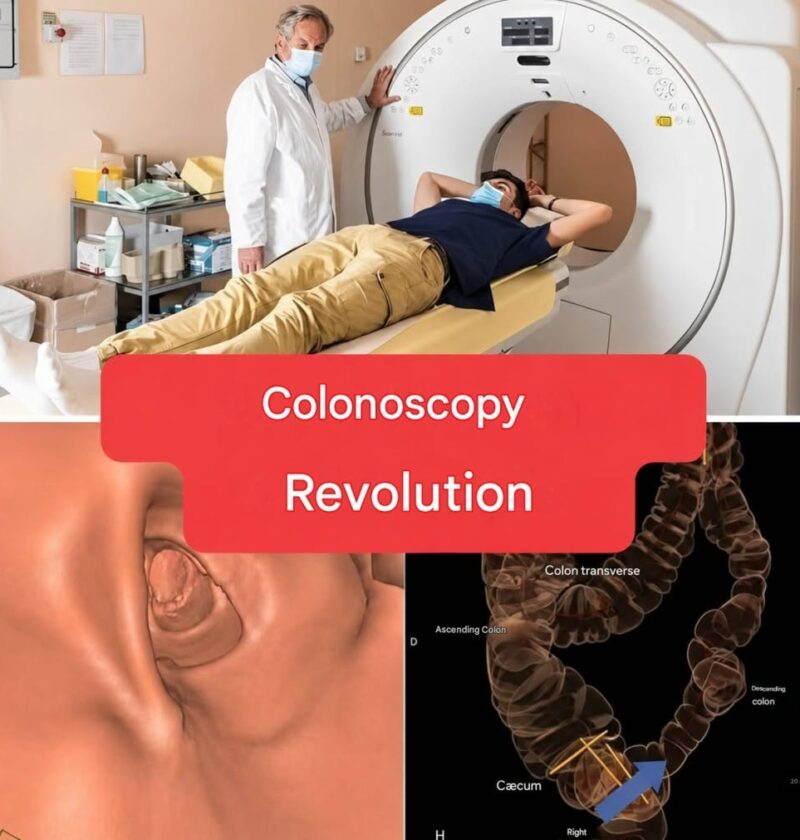
Headlines claiming that “colonoscopy will no longer be an invasive examination” are misleading.Several less invasive screening options for colorectal cancer are available or being developed, but traditional colonoscopy remains the gold standard in many situations because it allows doctors to both find and remove precancerous polyps during the same procedure.
Some alternatives include:
- Stool-based tests (such as FIT and stool DNA tests): These can detect signs of colorectal cancer without an invasive procedure. If the result is positive, a colonoscopy is usually recommended.
- CT colonography (“virtual colonoscopy”): Uses CT imaging to examine the colon. It still requires bowel preparation, and if a suspicious polyp is found, a standard colonoscopy is needed to remove it.
- Colon capsule endoscopy: A person swallows a small camera capsule that takes pictures of the digestive tract. It may be an option for some people but is not a replacement for colonoscopy in all cases, and abnormal findings generally require a follow-up colonoscopy.
Researchers are also developing new blood tests and improving imaging techniques, but none have completely replaced colonoscopy for diagnosis and treatment.
So, while colorectal cancer screening is becoming more convenient and less invasive for some people, there is currently no new method that has made invasive colonoscopy obsolete. The best screening test depends on your age, personal risk factors, family history, and the screening options available where you live.