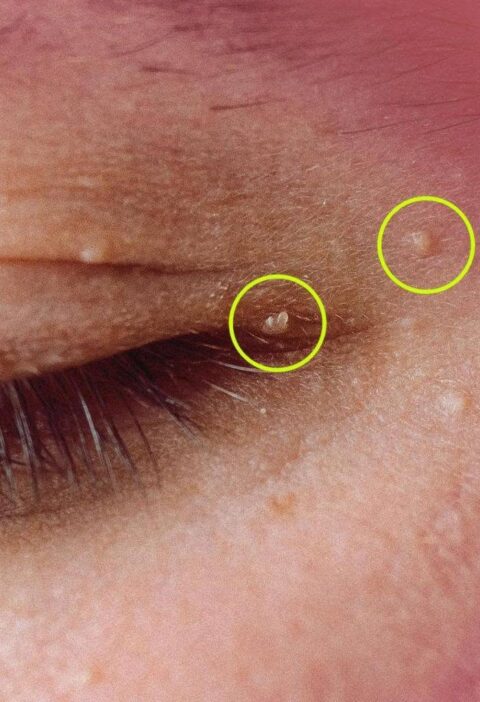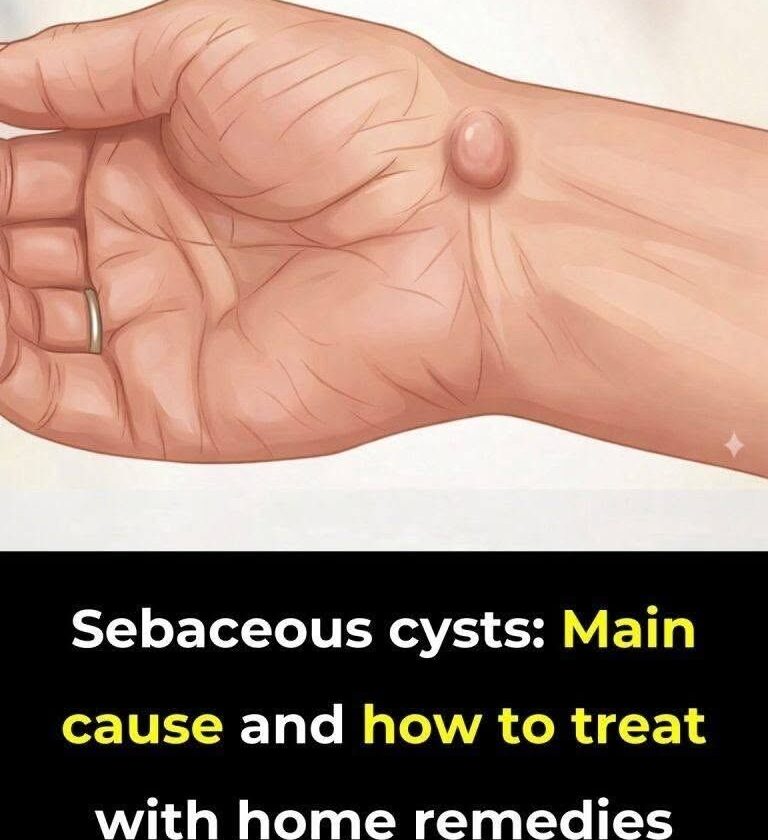
Sebaceous Cysts Explained: Causes and Home CareA sebaceous cyst is a common, usually noncancerous, slow-growing lump beneath the skin. Many lumps commonly called “sebaceous cysts” are actually epidermoid cysts, which form when skin cells become trapped under the surface. They most often occur on the face, neck, back, or trunk.
Common Causes
- Blocked hair follicles or skin glands
- Skin injury or irritation
- Trapped skin cells beneath the skin
- Genetic conditions (rarely), which can make cysts more likely
Sebaceous or epidermoid cysts are not caused by poor hygiene and are usually not contagious.
Symptoms
- A round, movable lump under the skin
- Usually painless unless it becomes inflamed or infected
- Sometimes a small central opening (punctum)
- If infected: redness, warmth, tenderness, swelling, or drainage of foul-smelling material
Home Care
If the cyst is not infected:
- Apply a warm, moist compress for 10–15 minutes, 3–4 times a day. This may encourage drainage if the cyst is close to the surface.
- Keep the area clean.
- Avoid rubbing or squeezing it.
What to Avoid
- Do not squeeze, pop, or cut the cyst yourself. This can increase the risk of infection, scarring, and recurrence.
When to See a Healthcare Professional
Seek medical evaluation if the cyst:
- Becomes red, very painful, or rapidly enlarges
- Drains pus or has a foul odor
- Keeps coming back
- Interferes with movement or daily activities
- Is located in a sensitive area (such as near the eye or genitals)
- Has an uncertain diagnosis or changes in appearance
Medical Treatment
A clinician may recommend:
- Incision and drainage if the cyst is infected or causing significant discomfort (this relieves pressure but may not prevent recurrence).
- Complete surgical removal of the cyst wall, which is the most effective way to prevent it from returning.
- Antibiotics only if there is evidence of a bacterial skin infection—they are not needed for every inflamed cyst.
Most sebaceous or epidermoid cysts are harmless, but a persistent or changing lump should be examined to confirm the diagnosis and rule out other conditions.