1. Mouth breathing
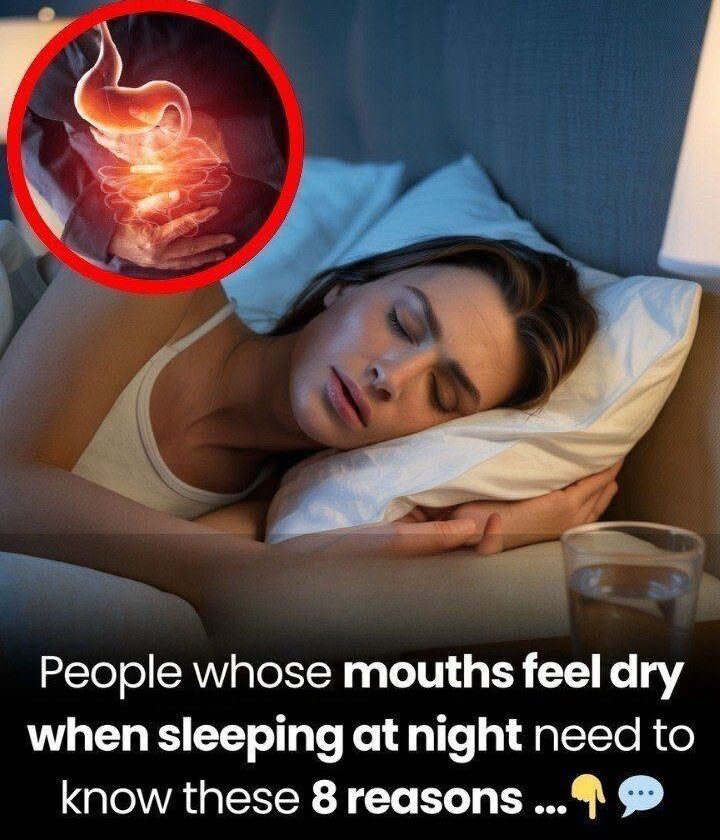
The most common cause. It may result from:
- Nasal congestion
- Allergies
- A deviated nasal septum
- Habitual mouth breathing during sleep
2. Dehydration
Not drinking enough fluids, excessive sweating, vomiting, diarrhea, or drinking alcohol can reduce saliva production.
3. Medications
Many medicines can cause dry mouth, including some:
- Antihistamines
- Antidepressants
- Blood pressure medications
- Bladder medications
- Certain pain relievers
4. Snoring or sleep apnea
People with obstructive sleep apnea often sleep with their mouths open, leading to dryness. Loud snoring, pauses in breathing, or excessive daytime sleepiness may be clues.
5. Aging
Saliva production may decrease with age, and older adults are also more likely to take medications that contribute to dry mouth.
6. Medical conditions
Conditions associated with dry mouth include:
- Diabetes
- Sjögren syndrome
- Some neurological disorders
7. Smoking or vaping
Tobacco and nicotine products can reduce saliva flow and irritate the mouth.
8. Dry bedroom air
Sleeping in a very dry environment, especially with heating or air conditioning, can make the mouth feel dry overnight.
What you can do
- Drink enough water during the day.
- Treat nasal congestion if it’s causing mouth breathing.
- Avoid alcohol and tobacco, especially before bed.
- Consider using a humidifier if your bedroom air is very dry.
- Maintain good oral hygiene and have regular dental checkups.
- If you use a CPAP machine for sleep apnea, ask your healthcare provider about adjusting the humidification settings if dryness is a problem.
When to see a healthcare professional
Seek evaluation if:
- Dry mouth persists for several weeks.
- You have frequent cavities, mouth sores, or difficulty swallowing.
- You have excessive thirst and frequent urination.
- You snore loudly or someone notices pauses in your breathing during sleep.
Persistent dry mouth often has a treatable underlying cause, so it’s worth discussing with a dentist or healthcare provider if it continues.