What causes them?
Common causes include:
- Blocked hair follicles or skin pores
- Skin injury or irritation
- Genetic conditions (less common)
- Sometimes they occur without an obvious cause
These cysts commonly appear on the:
- Face
- Neck
- Scalp
- Back
- Chest
What do they look like?
Typical features include:
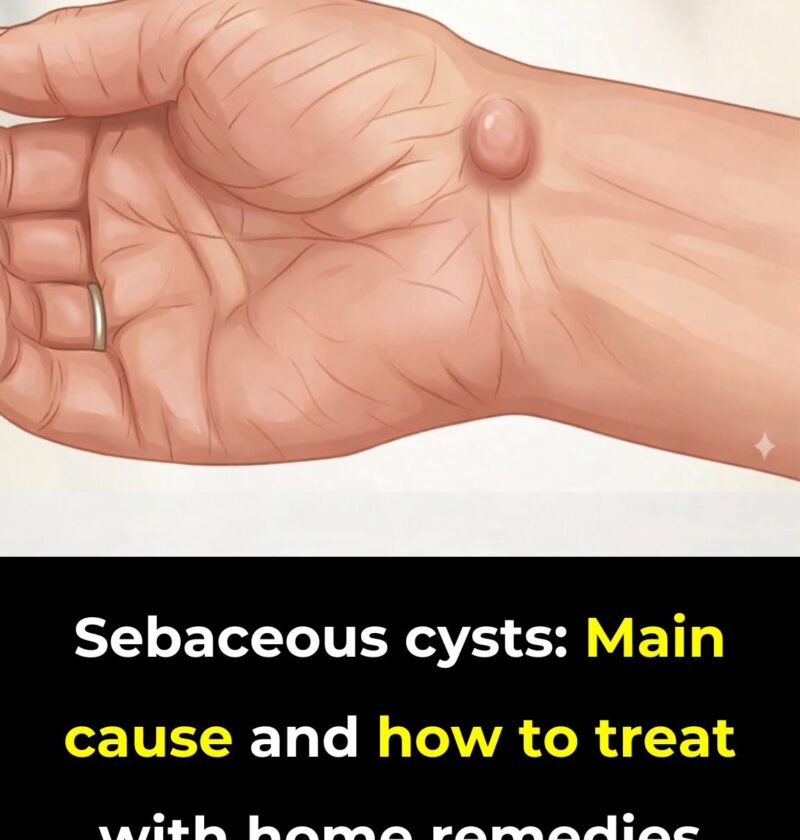
- A round, slow-growing lump under the skin
- Usually painless unless inflamed or infected
- Sometimes a small central opening (punctum)
- A thick, cheese-like material may drain if the cyst opens
Home care options
For a cyst that is not infected:
Warm compresses
Applying a warm, moist compress for 10–15 minutes several times daily may help promote drainage and reduce discomfort.
Keep the area clean
Wash gently with soap and water.
Avoid squeezing or popping it
Trying to puncture or squeeze a cyst can:
- Cause infection
- Increase inflammation
- Lead to scarring
- Make recurrence more likely
When to seek medical care
See a healthcare professional if the cyst:
- Becomes red, hot, or painful
- Drains pus
- Grows rapidly
- Interferes with daily activities
- Frequently returns after draining
Medical treatment
If treatment is needed, options may include:
- Drainage (for symptomatic cysts)
- Steroid injection to reduce inflammation
- Surgical removal of the cyst wall, which is the most effective way to prevent recurrence
A note about “home remedy solutions”
Many online posts promote remedies such as toothpaste, vinegar, essential oils, or other DIY treatments. There is little good evidence that these remove a cyst. Most either do nothing or risk irritating the skin.
Bottom line
Most sebaceous/epidermoid cysts are harmless and can simply be monitored. Warm compresses may help with comfort, but the only reliable way to permanently remove a cyst is medical removal of the entire cyst sac, not a home remedy.
If you have a specific lump you’re concerned about, I can help explain what features would make it more or less likely to be a cyst and what signs would warrant prompt medical evaluation.