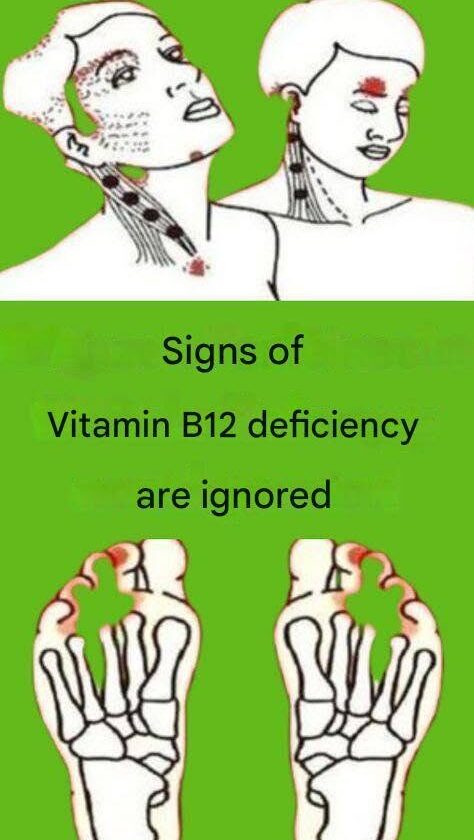
Vitamin B12 deficiency can develop gradually, and its symptoms are sometimes mistaken for aging, stress, or other conditions. If left untreated, it can lead to nerve damage and anemia.
Common signs and symptoms include:
- Fatigue and weakness
- Feeling unusually tired or lacking energy.
- Numbness or tingling
- Often in the hands or feet due to nerve involvement.
- Difficulty with balance or walking
- Unsteadiness or poor coordination.
- Memory or concentration problems
- Forgetfulness, confusion, or trouble focusing.
- Pale or slightly yellow skin
- A sign that can occur with certain types of anemia.
- A sore, smooth, or red tongue
- Sometimes accompanied by mouth ulcers.
- Shortness of breath or dizziness
- Especially during physical activity if anemia develops.
- Mood changes
- Depression, irritability, or other changes in mood can occur in some people.
People at higher risk include:
- Older adults
- People who follow a strict vegan diet without B12 supplementation or fortified foods
- Those with conditions that reduce B12 absorption (such as pernicious anemia or certain digestive disorders)
- People who have had some types of stomach or intestinal surgery
- People taking certain medications that can reduce B12 absorption over time
Because these symptoms can have many causes, a blood test is needed to diagnose vitamin B12 deficiency. If it’s confirmed, treatment may involve oral supplements or injections, depending on the cause and severity.
If you’re experiencing symptoms such as persistent numbness, difficulty walking, or significant memory changes, it’s important to seek medical evaluation rather than self-treating with supplements alone.