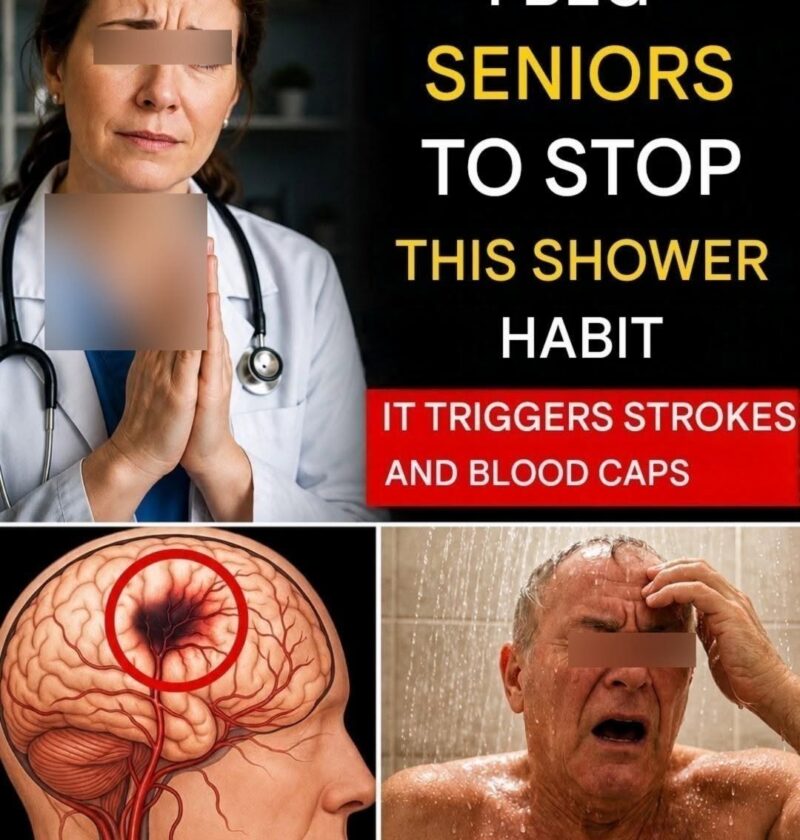
“This Shower Habit Increases Stroke Risk Overnight” — What Seniors Should Know
Claims that a single shower habit can dramatically “cause a stroke overnight” are often exaggerated online. A normal shower does not cause stroke in healthy people. However, certain shower-related situations may temporarily affect blood pressure and circulation, which can be more important for older adults or people with heart and blood vessel conditions.
Here are some shower habits worth paying attention to:
1. Taking extremely hot showers
Very hot water can cause blood vessels to widen, which may lead to:
- A sudden drop in blood pressure
- Lightheadedness or dizziness
- Increased risk of falls, especially when standing up or getting out of the shower
Tip: Use warm water rather than very hot water, and avoid long, steamy showers if they make you feel weak or dizzy.
2. Sudden temperature changes
Going quickly from a very hot shower into a cold environment (or using very cold water suddenly) may cause temporary changes in blood vessel activity.
Tip: Let your body adjust gradually, especially during cold weather.
3. Showering when dehydrated or unwell
Illness, dehydration, or skipping fluids can affect blood pressure regulation.
Tip: Stay hydrated and avoid very hot showers when you are feeling faint, weak, or sick.
4. Standing for a long time in the shower
Older adults may experience a drop in blood pressure when standing for extended periods, particularly after heat exposure.
Tip: Consider a shower seat or grab bars if balance is a concern.
5. Ignoring warning signs during or after bathing
Seek urgent medical help for signs of stroke, such as:
- Face drooping
- Arm weakness or numbness (especially one side)
- Speech difficulty
- Sudden severe headache
- Sudden confusion, vision problems, or trouble walking