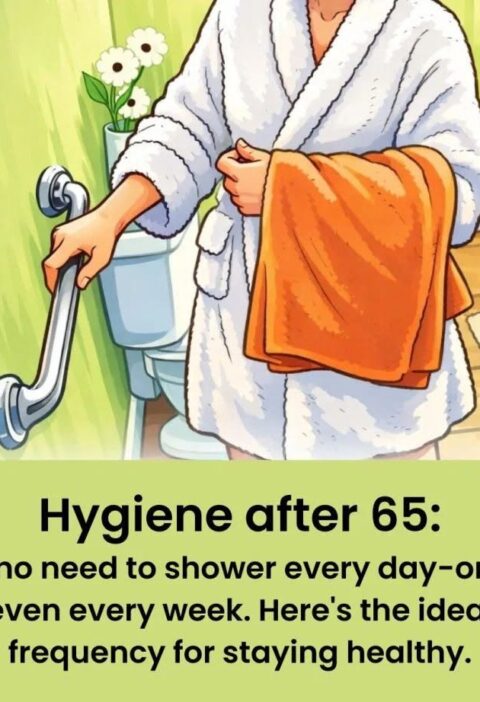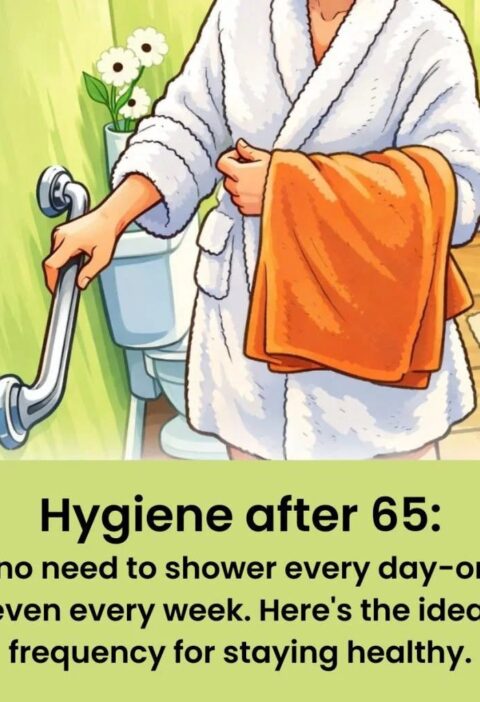
The claim that a specific shower habit directly causes strokes overnight is misleading. There is no strong evidence that normal showering itself causes strokes in older adults. However, some shower-related habits can increase the risk of falls, fainting, or sudden blood pressure changes, which may be more concerning for seniors.
Here are habits worth avoiding:
1. Taking very hot showers
Very hot water can cause blood vessels to widen, which may lead to:
- A sudden drop in blood pressure
- Lightheadedness or dizziness
- Fainting, especially when standing up afterward
Safer approach: Use warm (not extremely hot) water and avoid long, steamy showers if you feel dizzy.
2. Standing up too quickly after a shower
Heat can lower blood pressure temporarily. Getting out of the shower quickly may increase the chance of:
- Dizziness
- Loss of balance
- Falls
Safer approach: Sit for a moment after turning off the water and stand up slowly.
3. Showering when dehydrated or unwell
Dehydration, fever, illness, or certain medications can make blood pressure changes more likely.
Safer approach: Drink enough fluids and be cautious when you feel weak or unsteady.
4. Slippery bathroom conditions
Falls are a major health risk for older adults.
Safer approach:
- Use non-slip mats or grab bars
- Keep good lighting in the bathroom
- Consider a shower seat if balance is a concern
Protecting against stroke risk overall
The biggest stroke risk factors are:
- High blood pressure
- Smoking
- Diabetes
- High cholesterol
- Irregular heart rhythm (such as atrial fibrillation)
- Physical inactivity