If by “high-sugar” you mean high blood glucose (hyperglycemia), there are several symptoms worth recognizing. However, symptoms alone cannot confirm that your blood sugar is high—many people with type 2 diabetes have few or no noticeable symptoms. A blood test is needed for diagnosis.
N
NIDDK
+1
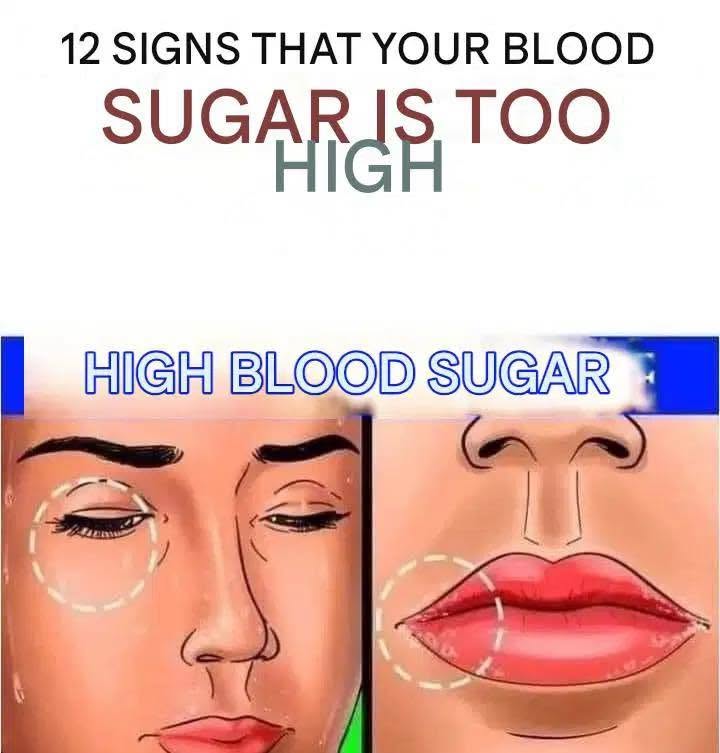
12 signs that can occur with high blood sugar
Frequent urination
Increased thirst
Dry mouth
Increased hunger
Unusual tiredness or weakness
Blurred vision
Unexplained weight loss
Slow-healing cuts or sores
Frequent infections, including urinary, skin, or yeast infections
Tingling or numbness in the hands or feet
Dry or itchy skin
Headaches — particularly when glucose is significantly elevated.
N
NIDDK
+1
These symptoms aren’t proof of diabetes; they can have many other causes. If you’re experiencing several of them, particularly increased thirst and urination, unexplained weight loss, or persistent blurred vision, arrange a blood-glucose evaluation with a healthcare professional.
N
NIDDK
+1
🚨 When high blood sugar is an emergency
Very high glucose accompanied by vomiting, abdominal pain, fruity-smelling breath, difficulty breathing, severe fatigue, confusion, or fainting can indicate diabetic ketoacidosis or another serious complication and requires urgent medical care.
N
NIDDK
+1
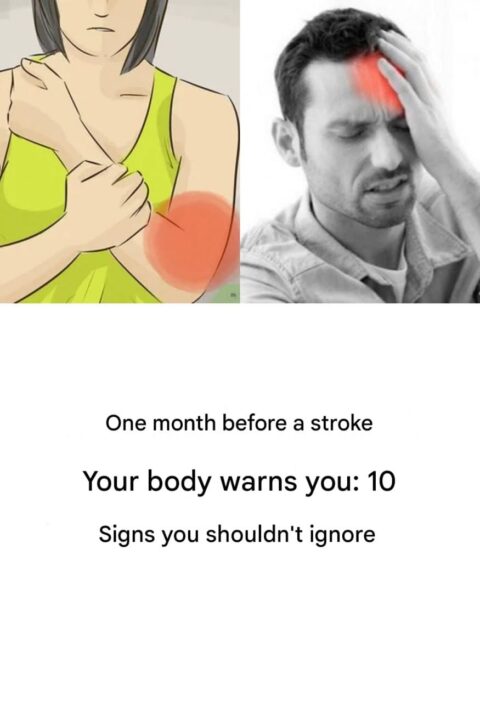
Also, sudden weakness/numbness on one side, trouble speaking, sudden vision problems, severe dizziness, or a sudden severe headache are stroke warning signs—not simply symptoms to attribute to high blood sugar. Seek emergency help immediately.
N
NIDDK
N
Sources