These 5 Symptoms May Be Early Clues of an Upcoming Heart Attack
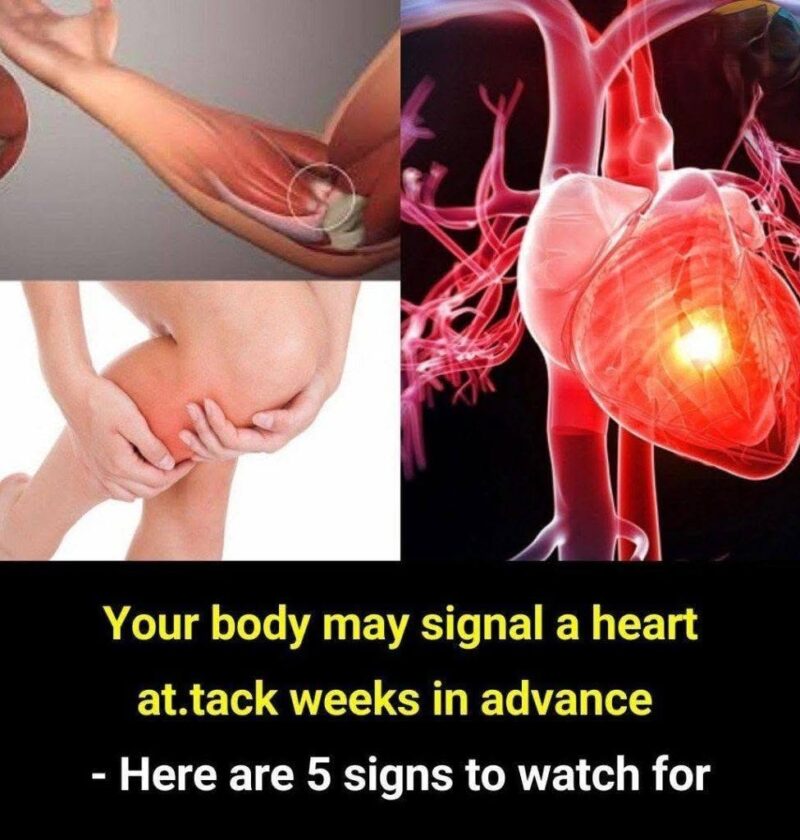
A heart attack doesn’t always begin with dramatic, crushing chest pain. Some people experience warning symptoms hours, days, or even weeks beforehand, although others develop symptoms suddenly. (Mayo Clinic)
1. Repeated chest pressure or discomfort
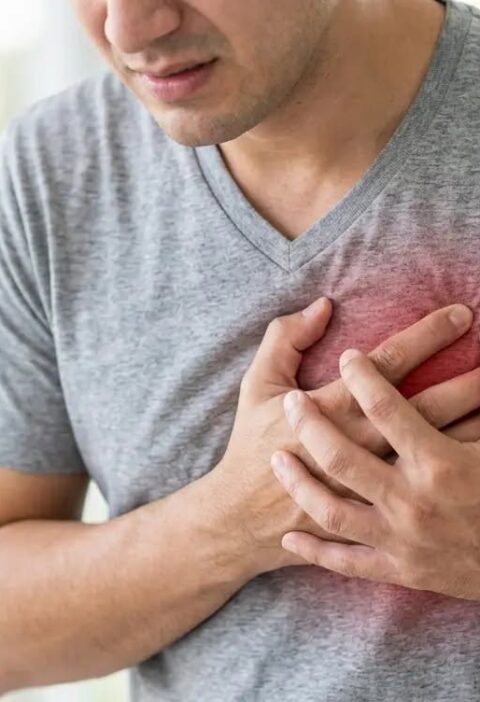
A feeling of pressure, squeezing, fullness, tightness, or aching in the center of the chest—particularly if it comes and goes or occurs with exertion—can indicate reduced blood flow to the heart. Recurrent chest discomfort that doesn’t settle with rest deserves prompt medical assessment. (Mayo Clinic)
2. Unusual shortness of breath
Breathlessness that is new or unexplained can occur with or without chest discomfort. It may be especially important when it appears during activities that previously caused no problem. (professional.heart.org)
3. Unexplained fatigue or weakness
A sudden or unusual drop in energy can sometimes accompany heart problems. This symptom can be subtle and is particularly easy to overlook. (Mayo Clinic)
4. Discomfort in the arm, back, neck or jaw
Heart-related discomfort isn’t necessarily confined to the chest. It can spread to one or both arms, the shoulders, back, neck or jaw. (professional.heart.org)
5. Nausea, sweating or lightheadedness
Nausea, vomiting, cold sweating, dizziness or feeling faint can accompany a heart attack. These symptoms may be less obvious than chest pain, particularly in women, older adults and people with diabetes. (Mayo Clinic)
Don’t wait for the “classic” heart attack
These symptoms aren’t proof that a heart attack is coming—they can have many other causes. But new, unexplained, or worsening symptoms should not be ignored.
If you have chest pressure/pain, significant shortness of breath, fainting, or several of these symptoms together, seek emergency medical help immediately. Don’t drive yourself if emergency transport is available. (Mayo Clinic)
The key message: You don’t need to have severe chest pain for a heart attack to be occurring. Recognizing less-obvious symptoms and getting emergency care quickly can be lifesaving. (Mayo Clinic)