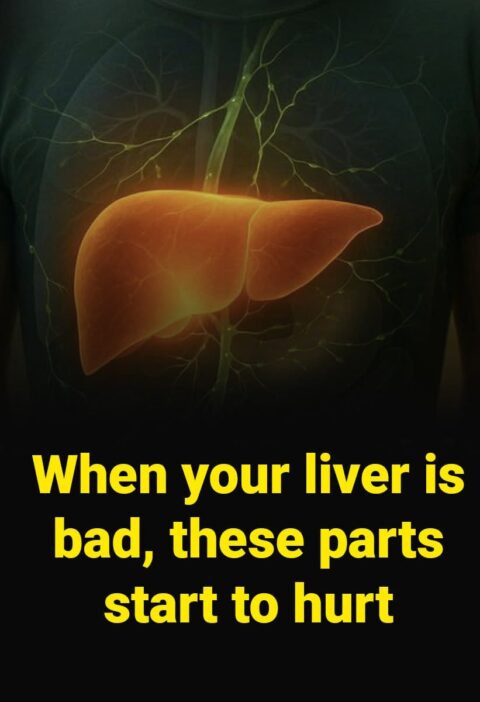
“Visible signs may be hiding liver disease” is a common headline, and there is truth behind it—but it’s often exaggerated online. Liver problems don’t always show obvious signs early, but when they do appear, they tend to reflect reduced liver function or bile flow issues.
The main condition behind these concerns is Liver disease, which includes fatty liver, hepatitis, cirrhosis, and bile duct disorders.
Here are real visible signs doctors watch for:
1) Yellowing of the skin or eyes (jaundice)
- Skin and whites of eyes turn yellow
- Caused by buildup of bilirubin
- Often a more advanced or significant sign
2) Dark urine and pale stools
- Urine becomes tea-colored or very dark
- Stools may become light or clay-colored
- Suggests bile flow problems
3) Swelling in abdomen or legs
- Fluid buildup in the belly (ascites)
- Swollen ankles or feet
- Seen in more advanced liver disease
4) Itchy skin without rash
- Persistent, unexplained itching
- Often related to bile salts under the skin
5) Easy bruising or bleeding
- Small bumps cause large bruises
- Nosebleeds or gum bleeding
- Due to reduced production of clotting proteins
6) Visible spider-like blood vessels
- Small red “spider veins” on chest or face
- Called spider angiomas
- Linked to hormone imbalance in liver disease
7) Red palms (palmar erythema)
- Unusual redness on the palms
- Often seen in chronic liver conditions
8) Unexplained weight loss or muscle wasting
- Gradual loss of body mass
- Weakness and fatigue
Important reality check
- Many liver diseases (especially early fatty liver) have no visible signs at all
- Visible symptoms usually suggest moderate to advanced disease
- Blood tests (like liver function tests) are far more reliable than appearance alone
When to take it seriously
Seek medical advice if visible signs appear along with:
- Ongoing fatigue
- Abdominal discomfort (especially right upper side)
- Loss of appetite
- Nausea or confusion