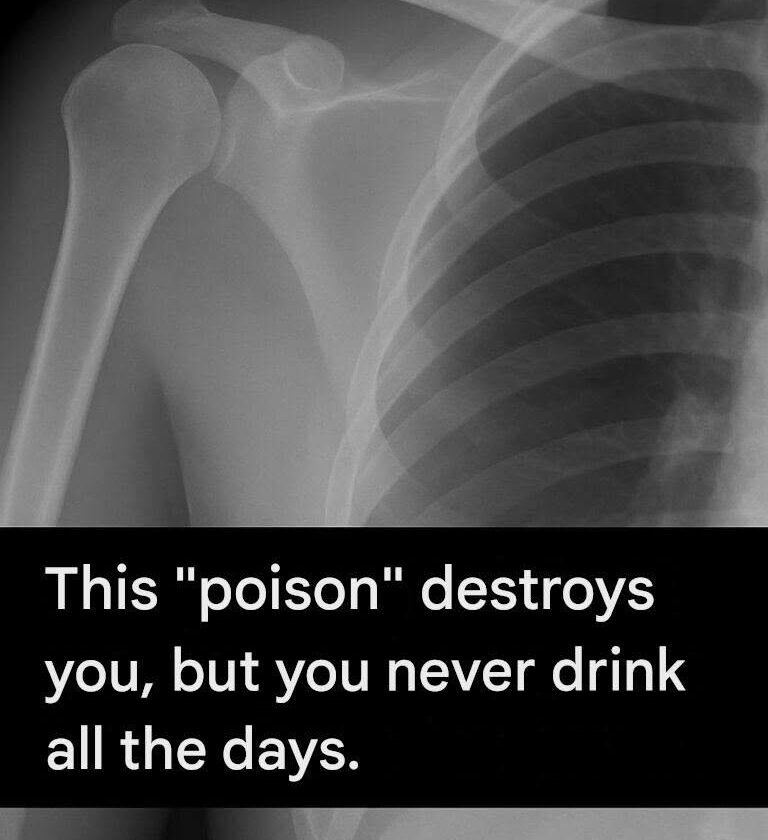
If you’re asking what the “poison” in that headline is, it’s most likely referring to cola or soft drinks, particularly cola containing phosphoric acid and caffeine.
But calling it a “poison” is misleading. There is evidence that frequent cola consumption is associated with lower bone mineral density, especially in some studies of women, but that does not mean cola literally poisons or “dissolves” your bones.
P
PubMed
+1
What may be happening
Replacing calcium-rich drinks/foods: If someone drinks lots of soda instead of milk or other calcium-rich foods, their overall calcium intake may fall. Adequate calcium is important for maintaining bone strength.
N
NCBI
+1
Cola contains phosphoric acid and often caffeine: These have been proposed as possible contributors, although the exact mechanism and cause-and-effect relationship remain uncertain.
P
PubMed
+1
The evidence isn’t the same for every fizzy drink: One major observational study found an association with cola, but not other carbonated beverages.
P
PubMed
High intake is more concerning: Regularly consuming large amounts—especially when the diet is low in calcium and vitamin D—is a more sensible reason for concern than an occasional soda.
Bottom line: You don’t need to panic if you drink cola. But if you drink it every day, especially several servings a day, replacing some of it with water and calcium-rich foods/drinks is a sensible choice for bone health.
For adults, recommended calcium intake is generally 1,000 mg/day, rising to 1,200 mg/day for women over 50 and men over 70; vitamin D is also important for calcium absorption.
N
NIAMS
P
N
N
Sources