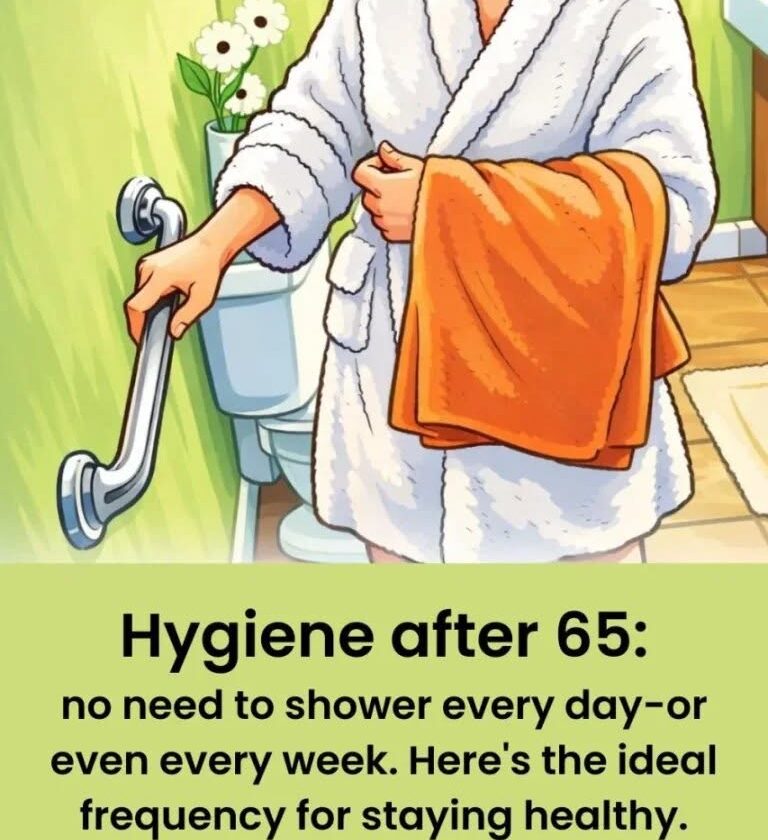
The headline “Why daily showers after 65 may do more harm than good” has some truth behind it, but it’s too broad. There is no rule that people over 65 should stop showering daily.
As we age, skin generally becomes thinner, drier, and less oily, making it more vulnerable to irritation. Long or hot showers and harsh soaps can remove protective oils and worsen dryness, itching, cracking, and irritation.
A
American Academy of Dermatology
+1
What matters more than showering every day
🚿 Keep showers short: about 5–10 minutes.
🌡️ Use warm/lukewarm water, not very hot water.
🧼 Use a gentle, fragrance-free cleanser rather than harsh or deodorant soaps.
You don’t necessarily need to soap your entire body every time; focus on areas that accumulate sweat, oil, or odor.
A
American Academy of Dermatology
+1
🧴 Moisturize immediately afterward, while the skin is still slightly damp.
If your skin is very dry, you may not need a full shower every day. The American Academy of Dermatology specifically notes that some older adults may find they don’t need to bathe daily.
A
American Academy of Dermatology
What about showering only 2–3 times a week?
That can be reasonable for some older adults, particularly if they aren’t sweating heavily or getting dirty. The appropriate frequency depends on activity level, climate, skin condition, incontinence, personal preference, and medical circumstances. For example, the National Institute on Aging suggests a flexible schedule of two or three baths/showers per week in its guidance for people with Alzheimer’s disease.
N
National Institute on Aging
Bottom line: The problem isn’t really daily showering itself—it’s often hot water, long showers, excessive soap, and failing to moisturize. If someone enjoys a daily shower and their skin remains healthy, there’s generally no reason to stop solely because they’re over 65.
A
N
Sources