🌿 Vinegar Can Help Get Rid of Weeds—but There’s a Catch
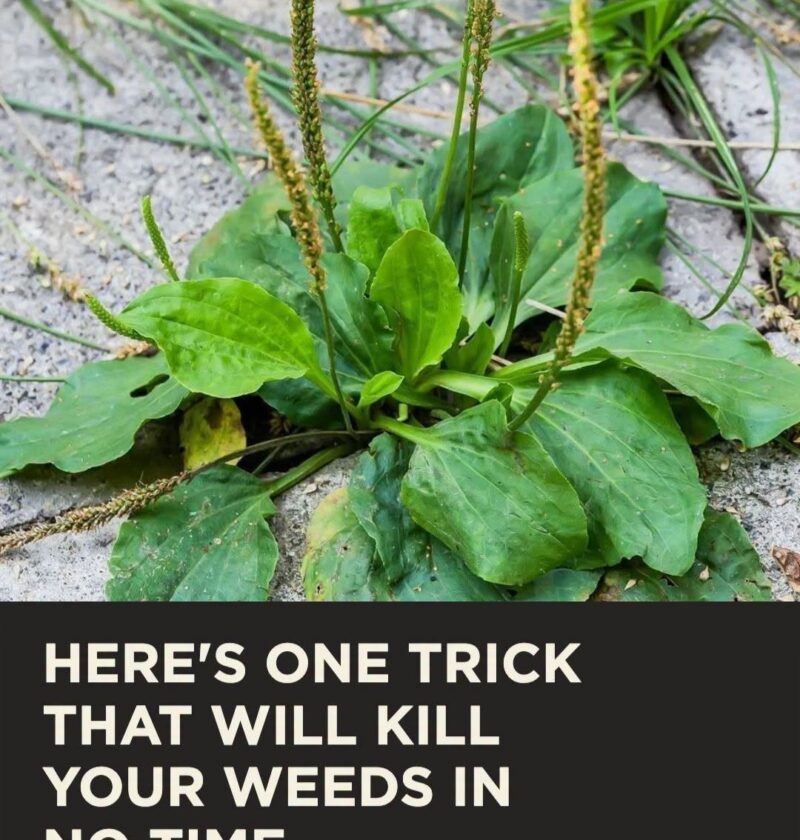
Yes, vinegar can kill some weeds, but it’s not the miracle weed killer that many online recipes suggest.
🍶 Why does vinegar work?
The acetic acid in vinegar damages plant cells and rapidly dries out the leaves and stems it touches. This makes vinegar a contact herbicide—it generally doesn’t travel down into the roots. (OSU Extension Service)
⚠️ The catch
Regular kitchen vinegar is usually only about 5% acetic acid. It may work reasonably well on young, small annual weeds, but established weeds, grasses, and deep-rooted perennials such as dandelions can grow back from their roots. (Ask Extension)
Stronger horticultural vinegar (often 20–30% acetic acid) can be considerably more effective, but it is also corrosive and can cause serious skin or eye injury. It should only be used according to the product label and with appropriate protection. (OSU Extension Service)
🚫 What about vinegar + salt?
This popular DIY recipe is not a great choice for garden beds. Salt can accumulate in soil, interfere with water movement, harm desirable plants and damage soil health. Extension specialists specifically advise against adding salt for routine weed control. (Ask Extension)
Also, vinegar is non-selective—it can damage flowers, vegetables, grass and other plants if the spray reaches them. (UC Agriculture and Natural Resources)
🌱 A better natural strategy
For weeds around valuable plants, try:
- Pulling or digging out the roots
- Hoeing young weeds
- Applying 3–4 inches of mulch to suppress new growth
- Repeating removal before weeds produce seeds. (OSU Extension Service)
Bottom line: Vinegar can be useful for small weeds in places such as cracks and paths, but it usually provides temporary top-growth control rather than killing the entire plant. And “natural” doesn’t automatically mean harmless.