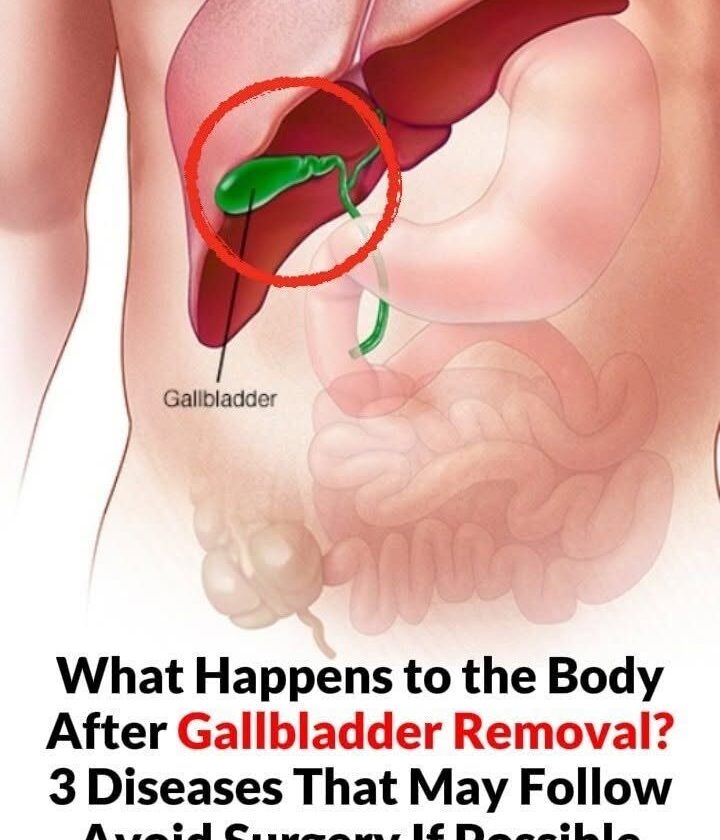
What Happens to the Body After Gallbladder Removal? Understanding the Risks and Benefits
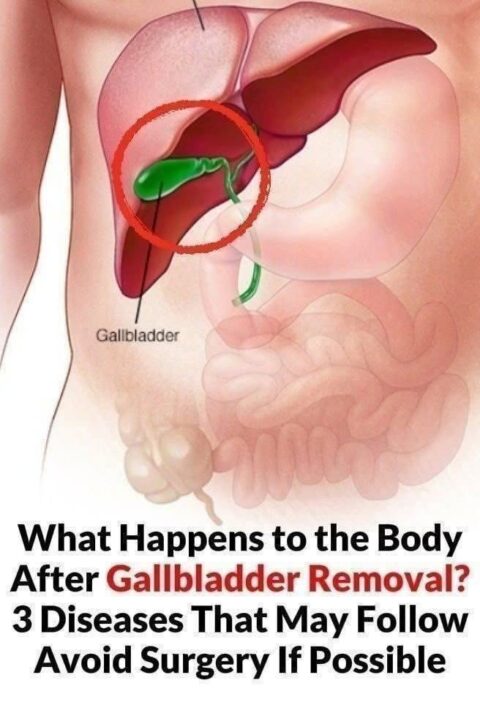
Claims that people should “avoid gallbladder surgery if possible” can be misleading. Gallbladder removal (cholecystectomy) is a common procedure that is often recommended when the gallbladder causes serious problems, such as repeated painful attacks or complications from gallstones. For many people, surgery provides long-term relief and prevents dangerous complications.
The gallbladder stores bile, a fluid made by the liver that helps digest fats. After removal, the liver still makes bile, but it flows directly into the small intestine instead of being stored.
Possible changes after gallbladder removal
Most people adjust well, but some may notice digestive changes, especially in the first weeks or months.
1. Diarrhea or changes in bowel habits
Without a gallbladder, bile enters the intestine more continuously. In some people this can lead to:
- Loose stools
- More frequent bowel movements
- Urgency after eating, especially after fatty meals
This is often manageable with dietary changes or medical treatment if needed.
2. Bile reflux or digestive discomfort
Some people experience:
- Bloating
- Indigestion
- Abdominal discomfort
- Nausea
These symptoms can have many causes and are not always caused by surgery.
3. Fat digestion difficulties
Large amounts of fatty foods may be harder to tolerate for some people, causing:
- Gas
- Cramping
- Loose stools
Eating smaller meals and limiting very greasy foods can help.
Is gallbladder removal dangerous?
Like any surgery, cholecystectomy has possible risks, including:
- Infection
- Bleeding
- Injury to nearby bile ducts (rare)
- Reactions to anesthesia
However, leaving serious gallbladder disease untreated can also be risky. Untreated gallstones may lead to:
- Gallbladder infection (cholecystitis)
- Pancreatitis
- Blockage of bile ducts
How to support digestion after surgery
- Eat smaller meals at first.
- Gradually reintroduce fatty foods.
- Choose high-fiber foods as tolerated.
- Stay hydrated.
- Follow your surgeon’s dietary guidance.