What Happens to Your Body If You Don’t Drink Enough Water?
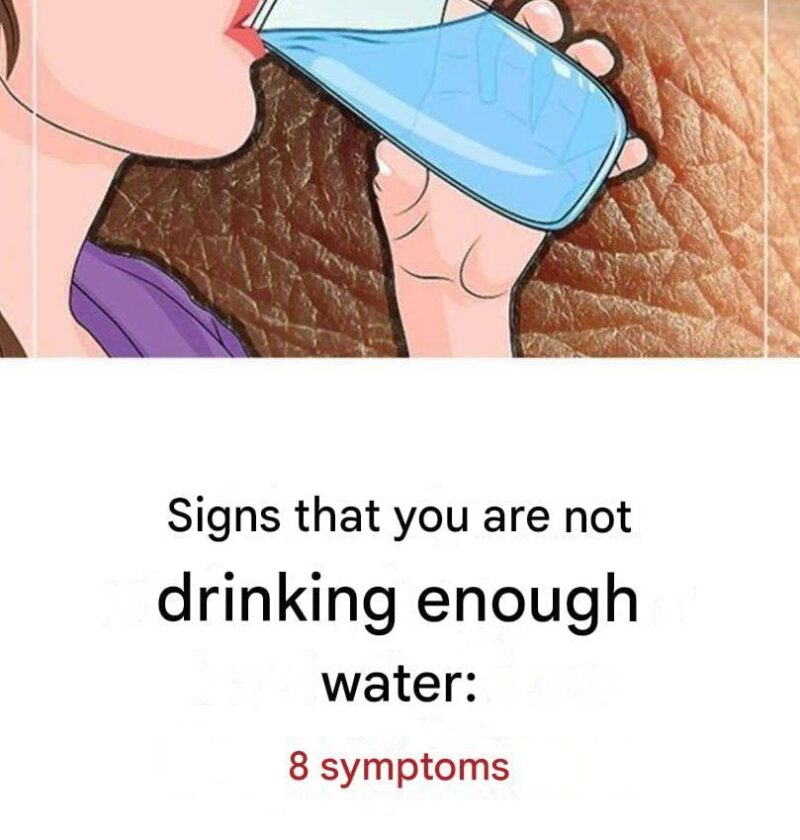
Water is essential for almost every function in your body. When you don’t drink enough, your body can become dehydrated, meaning it doesn’t have enough fluid to work properly.
Early Signs of Dehydration
- Thirst
- Dry mouth and lips
- Dark yellow urine or urinating less often
- Tiredness and low energy
- Headache
- Dizziness or lightheadedness
- Difficulty concentrating
What Dehydration Can Do Inside Your Body
- Reduces blood volume: Your heart may work harder to circulate blood.
- Affects temperature control: You may overheat more easily because sweating becomes less effective.
- Slows digestion: Low fluid intake can contribute to constipation.
- Affects muscles: Dehydration can increase the risk of muscle cramps and weakness.
- Impacts kidney function: Your kidneys need water to remove waste and maintain the body’s fluid balance.
- Affects mood and thinking: Even mild dehydration may contribute to irritability, poor focus, and fatigue.
Signs You May Need More Fluids
- Urine is consistently dark yellow
- You rarely feel the need to urinate
- You have frequent headaches or fatigue
- Your mouth feels dry often
- You feel dizzy when standing
How to Stay Hydrated
- Drink water regularly throughout the day rather than waiting until you are very thirsty.
- Increase fluids during hot weather, exercise, fever, vomiting, or diarrhea.
- Eat water-rich foods such as fruits, vegetables, and soups.
- Limit excessive alcohol intake, which can contribute to dehydration.
Severe dehydration can be dangerous. Seek medical help if there is confusion, fainting, inability to keep fluids down, very little urination, or signs of heat-related illness.