Leg Cramps at Night: Causes, Prevention & Treatment
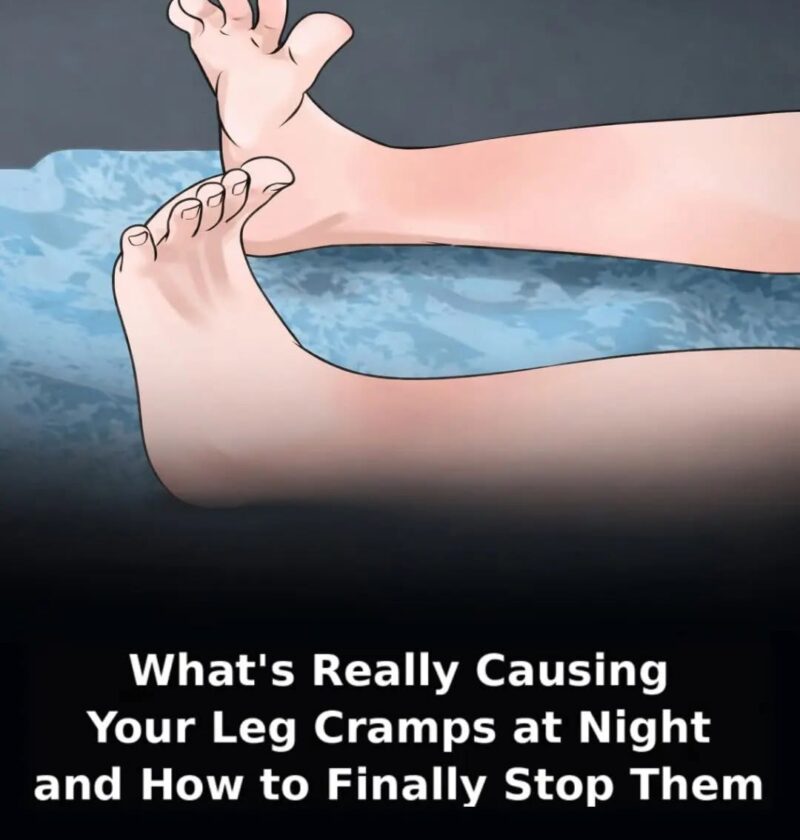
Nighttime leg cramps are sudden, painful muscle contractions — usually in the calf, foot, or thigh — that can wake you from sleep. They are common and often harmless, but frequent cramps may point to an underlying issue.
Common Causes
- Muscle fatigue or overuse — intense exercise, long periods of standing, or unfamiliar activity can strain muscles.
- Dehydration — low fluid intake can contribute to muscle irritability.
- Mineral imbalances — low levels of electrolytes such as magnesium, potassium, or calcium may play a role in some people.
- Poor circulation or nerve irritation — conditions affecting blood flow or nerves can sometimes trigger cramps.
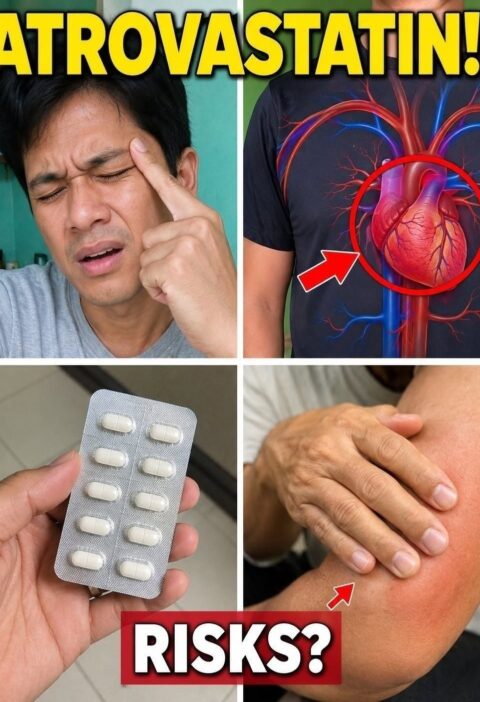
- Certain medications — some diuretics, cholesterol medicines, and other drugs may be linked with muscle cramps.
- Pregnancy or aging — cramps become more common during pregnancy and with increasing age.
What to Do During a Cramp
- Gently stretch the affected muscle (for a calf cramp, straighten your leg and pull your toes toward you).
- Massage the muscle to help it relax.
- Apply heat (warm towel or heating pad) or take a warm shower.
- Walk around gently if you can.
Prevention Tips
- Stay well hydrated throughout the day.
- Stretch your calves and legs before bedtime.
- Keep regular physical activity, but increase exercise intensity gradually.
- Wear supportive footwear if you stand or walk for long periods.
- Avoid sitting in one position for extended periods.
- Ensure your diet includes adequate nutrients, especially if you may be deficient.
When to Seek Medical Advice
Talk with a healthcare professional if:
- Cramps are frequent, severe, or getting worse
- They disturb your sleep regularly
- You have leg swelling, weakness, numbness, or skin changes
- Cramps started after a new medication
- You have symptoms suggesting circulation problems, such as persistent leg pain with walking
A persistent pattern of nighttime leg cramps is worth discussing with a clinician, especially if it affects your quality of life.