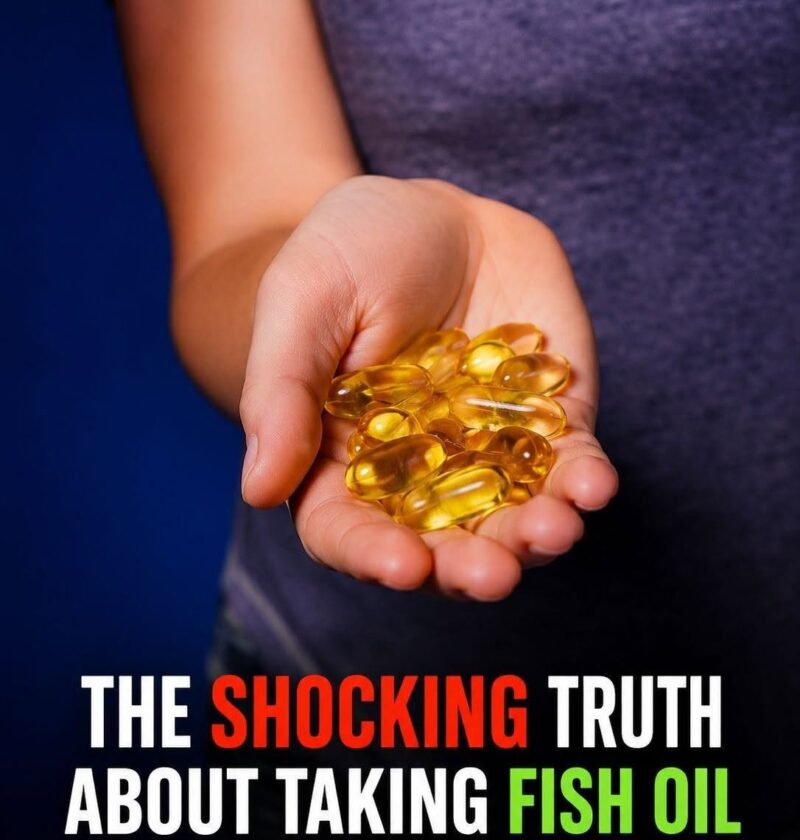
🐟 What Happens When You Take Fish Oil for 90 Days?
Fish oil provides the omega-3 fatty acids EPA and DHA. After about three months, some people may see measurable changes—particularly in triglyceride levels—but there is no guaranteed “90-day transformation.” (nccih.nih.gov)
What may happen
1. 📉 Triglycerides may decrease
EPA and DHA can lower triglycerides, with studies finding an average reduction of roughly 15%. The effect depends on the dose and starting triglyceride level. (nccih.nih.gov)
2. ❤️ It doesn’t automatically prevent heart disease
Fish oil supplements aren’t a substitute for proven treatments such as appropriate diet, exercise, blood-pressure control, or cholesterol medication. Prescription omega-3 products are different from ordinary supplements and are used for specific patients with high triglycerides. (heart.org)
3. 🦴 Some people with inflammatory joint conditions may notice improvement
Research has found that some people taking omega-3s report less morning stiffness, joint swelling, and pain, although results aren’t uniform. (nccih.nih.gov)
4. 😬 You may experience mild side effects
Fishy aftertaste, burping, heartburn, nausea, stomach discomfort, or diarrhea can occur. (ods.od.nih.gov)
⚠️ More isn’t necessarily better
High-dose omega-3 supplementation has been associated with a small increased risk of atrial fibrillation, particularly in people with cardiovascular disease or high cardiovascular risk taking higher doses. (ods.od.nih.gov)
Fish oil can also interact with medicines that affect blood clotting. If you take warfarin or another anticoagulant/antithrombotic medicine, discuss supplementation with your healthcare professional. (nccih.nih.gov)
🐟 Food first
For most people, getting omega-3s from fatty fish such as salmon, sardines, herring, or mackerel is preferable to taking a supplement simply because you want to improve general health. The American Heart Association recommends eating fish, particularly fatty fish, about twice a week. (heart.org)
Bottom line: After 90 days, the most measurable potential benefit of fish oil is lower triglycerides, especially at therapeutic doses. It isn’t a detox, a cure-all, or a guaranteed way to prevent heart attacks or strokes. If you’re considering it for a specific condition, the dose and your medications matter.