What Happens When Your Body Doesn’t Get Enough Water? 💧
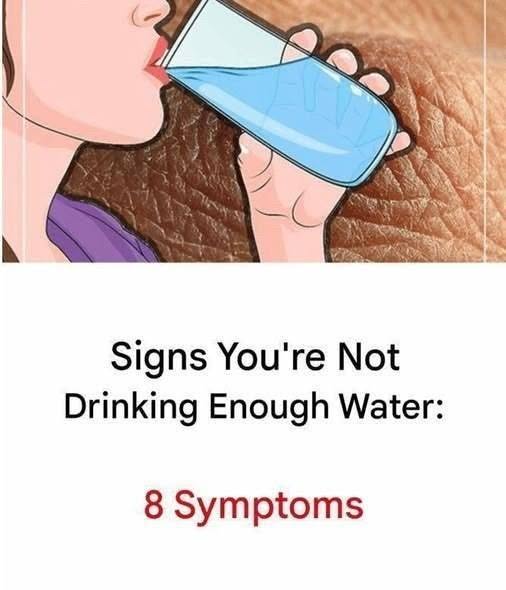
When you don’t replace enough fluid, your body becomes dehydrated. Even mild dehydration can affect how you feel and function.
Common early signs
Thirst and dry mouth
Darker yellow urine or urinating less often
Headache
Tiredness or weakness
Dizziness or lightheadedness
Dry skin
Difficulty concentrating or feeling confused
As dehydration becomes more severe, it can cause rapid heartbeat, low blood pressure, confusion, fainting, and reduced blood flow to vital organs. Severe dehydration can be life-threatening.
Who needs extra attention?
Older adults, young children, people with fever, vomiting or diarrhea, and people exercising or working in hot conditions can become dehydrated more quickly.
A practical way to monitor hydration is to drink regularly and pay attention to thirst and urine color. Pale-yellow urine generally suggests adequate hydration, although urine color can be affected by medications, supplements, and some medical conditions.
Don’t force excessive amounts of water. Drinking far more than your body needs can also be dangerous because it can dilute blood sodium.
🚨 Seek urgent medical care for severe confusion, fainting, inability to keep fluids down, very little/no urine, or signs of shock.
Bottom line: Your body needs adequate fluid for normal circulation, temperature regulation, digestion, kidneys, and brain function—but there is no universal requirement to drink a fixed amount of water every day.