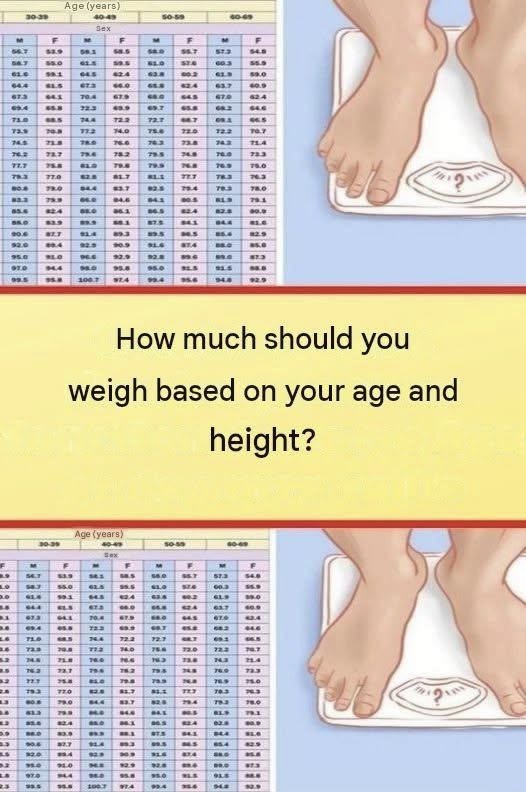
What Is an Ideal Weight? A Complete Guide to Healthy Body Weight
There is no single “perfect” weight that applies to everyone. A healthy weight depends on many factors, including height, age, sex, muscle mass, body composition, genetics, and overall health.
A number on the scale is only one part of the picture. Health markers such as blood pressure, blood sugar, fitness level, and waist size can also be important.
1. Body Mass Index (BMI): A Common Starting Point
BMI compares your weight with your height:
BMI categories for most adults:
- Underweight: BMI below 18.5
- Healthy range: BMI 18.5–24.9
- Overweight: BMI 25–29.9
- Obesity: BMI 30 or higher
BMI is useful for population studies, but it does not measure body fat directly. A muscular person may have a higher BMI without having excess body fat.
2. Healthy Weight by Height (General Guide)
Approximate healthy weight ranges for adults:
| Height | Approximate healthy weight range |
|---|---|
| 5’0″ (152 cm) | 95–128 lb (43–58 kg) |
| 5’4″ (163 cm) | 110–145 lb (50–66 kg) |
| 5’8″ (173 cm) | 125–164 lb (57–74 kg) |
| 6’0″ (183 cm) | 140–184 lb (64–83 kg) |
These are general estimates and may not fit every individual.
3. Waist Size Also Matters
Fat stored around the abdomen is more strongly linked with health risks than fat stored elsewhere.
A larger waist measurement may increase the risk of:
- Type 2 diabetes
- Heart disease
- High blood pressure