How atorvastatin works
Atorvastatin blocks an enzyme in the liver called HMG-CoA reductase, which reduces the amount of LDL (“bad”) cholesterol the body makes. Lower LDL levels can help slow the buildup of fatty plaques in arteries (atherosclerosis).
Why doctors prescribe it
Atorvastatin may be prescribed for people who:
- Have high LDL cholesterol.
- Have a higher risk of heart attack or stroke due to factors such as diabetes, high blood pressure, smoking, or existing heart disease.
- Have already had a heart attack, stroke, or certain types of artery disease.
- Need cholesterol lowering to reduce future cardiovascular risk.
Common side effects
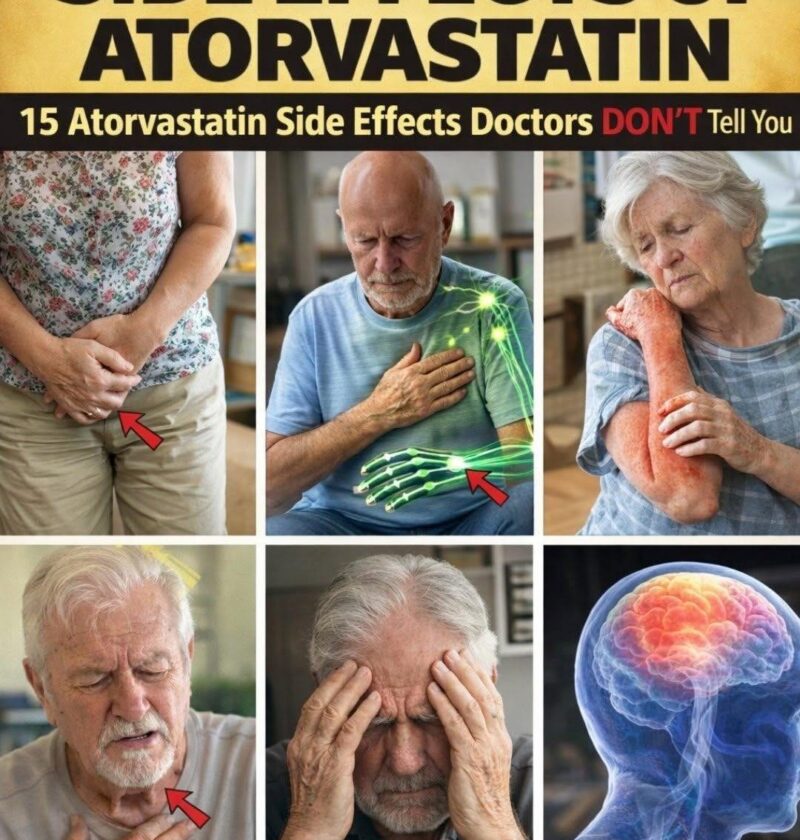
Many people tolerate atorvastatin well. Possible side effects include:
- Muscle aches or soreness
- Headache
- Digestive symptoms (such as nausea or diarrhea)
- Mild increases in liver enzymes on blood tests
A rare but serious side effect is severe muscle injury (rhabdomyolysis). Seek medical advice if you develop severe muscle pain, weakness, or dark-colored urine.
Important considerations
- Take it exactly as prescribed; do not stop it without discussing it with your healthcare professional.
- Tell your clinician about all medicines and supplements you take because some can interact with atorvastatin.
- Avoid or limit grapefruit and grapefruit juice if your healthcare professional advises it, as large amounts can affect how some people process the medication.
- Lifestyle measures—such as a heart-healthy diet, exercise, and not smoking—work alongside the medication.
If you were prescribed atorvastatin, the reason it was chosen depends on your cholesterol numbers and overall heart-risk profile. If you share your dose (for example, 10 mg, 20 mg, 40 mg, or 80 mg) and why it was prescribed, I can explain what that usually means.