What Is Normal Blood Pressure for Your Age?
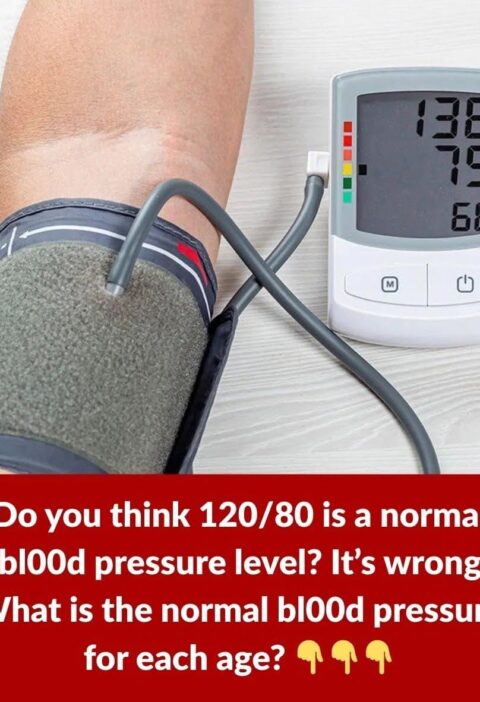
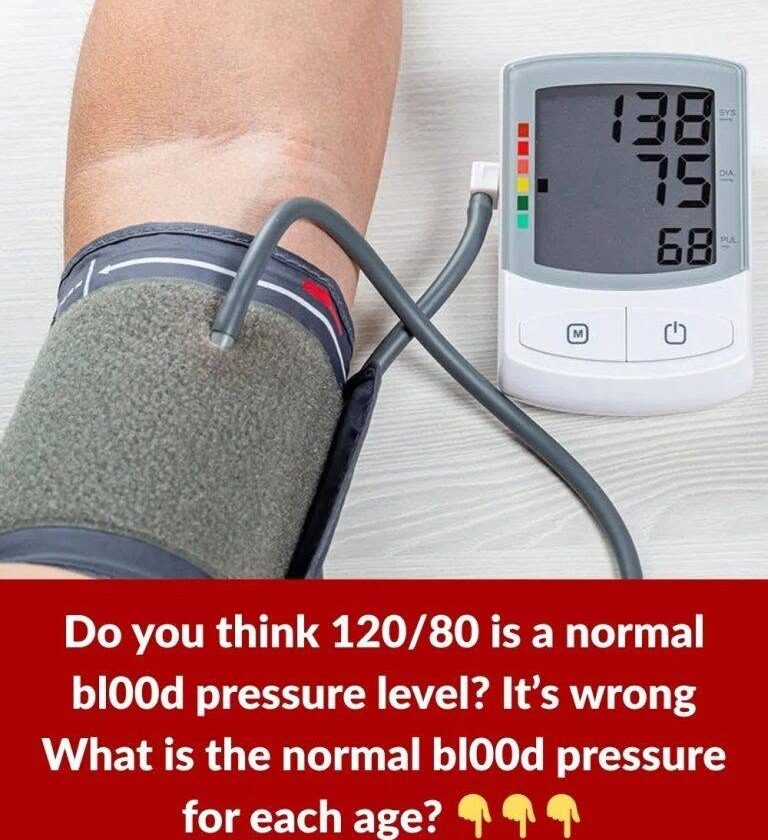
A common misconception is that “normal blood pressure gets higher as you get older.” Age does affect cardiovascular risk and treatment decisions, but there isn’t a separate “normal” blood-pressure range that automatically applies to each age group.
For adults, the current American Heart Association/American College of Cardiology classification is:
| Blood pressure | Category |
|---|---|
| Below 120/80 mmHg | Normal |
| 120–129 / below 80 | Elevated |
| 130–139 or 80–89 | Stage 1 hypertension |
| 140+ or 90+ | Stage 2 hypertension |
| Above 180 and/or 120 | Severe—requires prompt attention |
👵 What about people over 65?
Someone who is 70, 80 or 90 doesn’t automatically have a healthy BP of 150/90 simply because of their age. Older adults can benefit substantially from controlling high blood pressure. At the same time, treatment has to be individualized because excessive lowering can cause dizziness, fainting and other problems, particularly in people who are vulnerable to low blood pressure.
The 2025 AHA/ACC guideline recommends medication for adults with an average BP ≥140/90, and also for selected people with an average ≥130/80 depending on cardiovascular disease, kidney disease, diabetes or overall cardiovascular risk.
📏 Don’t judge your health from one reading
Blood pressure naturally changes throughout the day. For a useful home measurement, sit quietly with your back supported, both feet flat on the floor and your arm supported at heart level. Take repeated readings rather than relying on one unusually high or low number.