What Is the Normal Blood Pressure for Each Age?
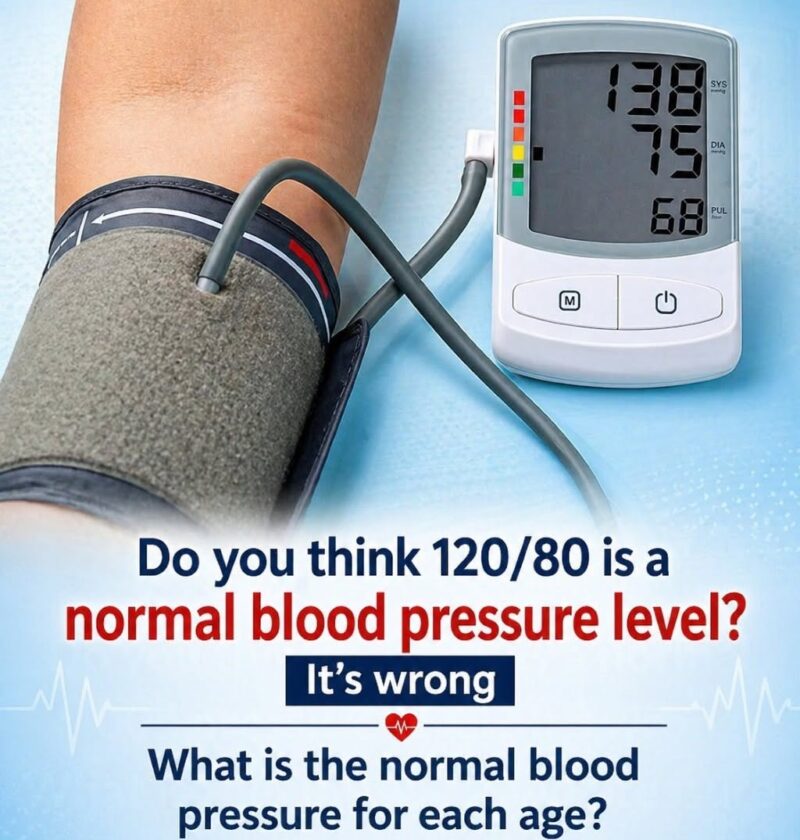
A common question is whether blood pressure has a different “normal” range at each age. While blood pressure can change as people get older, there is not a separate normal number for every age group. In general, medical guidelines consider around 120/80 mmHg a typical healthy adult blood pressure, but the ideal target can vary depending on overall health and medical conditions.
General Blood Pressure Ranges by Age (Adults)
| Age Group | Often Considered a Healthy Range* |
|---|---|
| 18–39 years | Around 90/60 to under 120/80 mmHg |
| 40–59 years | Around 90/60 to under 120/80 mmHg |
| 60+ years | Often still aimed at under 120/80 mmHg, but personal targets may differ |
*A single reading does not diagnose a problem. Blood pressure naturally changes throughout the day.
Understanding the Numbers
Systolic pressure (top number):
- The pressure when your heart contracts and pumps blood.
Diastolic pressure (bottom number):
- The pressure when your heart relaxes between beats.
Example: 120/80 mmHg
- 120 = systolic
- 80 = diastolic
Common Adult Blood Pressure Categories
- Normal: Less than 120/80
- Elevated: 120–129 and less than 80
- High blood pressure (Stage 1): 130–139 or 80–89
- High blood pressure (Stage 2): 140 or higher or 90 or higher
Factors That Affect Blood Pressure
Your reading can be influenced by:
- Stress or anxiety
- Exercise
- Caffeine
- Pain
- Medications
- Sleep quality
- Hydration
- Medical conditions