Why Neck Skin Sags as You Age — And What You Can Do About It
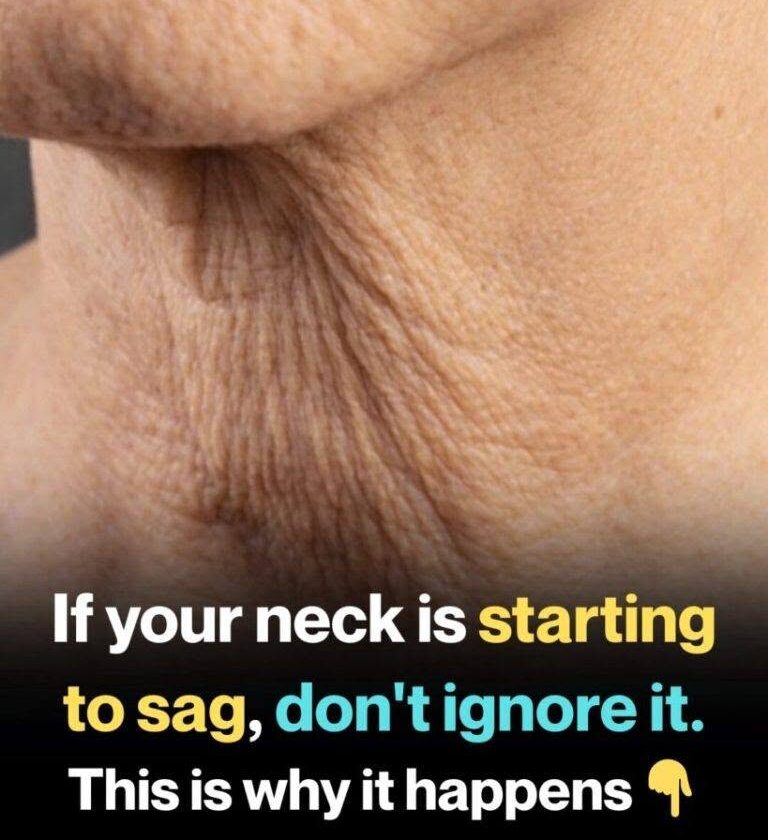
Loose or sagging neck skin is a common part of aging. The neck often shows signs of aging earlier than other areas because the skin there is thinner and has less natural support.
Why Neck Skin Sags With Age
1. Collagen and Elastin Decline
Collagen provides structure and firmness, while elastin helps skin bounce back. As we age, the body produces less of both, leading to:
- Thinner skin
- Fine lines
- Reduced firmness
2. Loss of Skin Thickness and Moisture
Aging skin tends to hold less moisture and becomes less resilient, which can make sagging more noticeable.
3. Sun Damage
Years of UV exposure can break down collagen and accelerate skin aging. The neck is often forgotten when applying sunscreen.
4. Changes in Fat Distribution
Fat under the skin can shift or decrease with age, changing the support and contour of the neck area.
5. Muscle Changes
The platysma muscle in the neck can become more visible over time, sometimes creating vertical bands or a “looser” appearance.
6. Genetics and Lifestyle Factors
Factors that influence how quickly neck skin changes include:
- Genetics
- Smoking
- Sun exposure
- Nutrition
- Weight fluctuations
- Sleep habits
What You Can Do to Support Firmer-Looking Neck Skin
1. Use Sunscreen Daily
Apply broad-spectrum sunscreen (SPF 30 or higher) to the neck and chest as well as the face. Sun protection is one of the most effective ways to slow visible skin aging.
2. Moisturize Regularly
A good moisturizer can improve the skin’s hydration and make fine lines appear less noticeable.
Look for ingredients such as:
- Hyaluronic acid
- Ceramides
- Glycerin
3. Consider Retinoids
Retinol and prescription retinoids can help support collagen production and improve the appearance of fine lines over time. Start slowly because neck skin can be sensitive.
4. Maintain a Healthy Lifestyle
Helpful habits include:
- Eating enough protein
- Staying hydrated
- Avoiding smoking
- Getting regular exercise
- Managing sun exposure