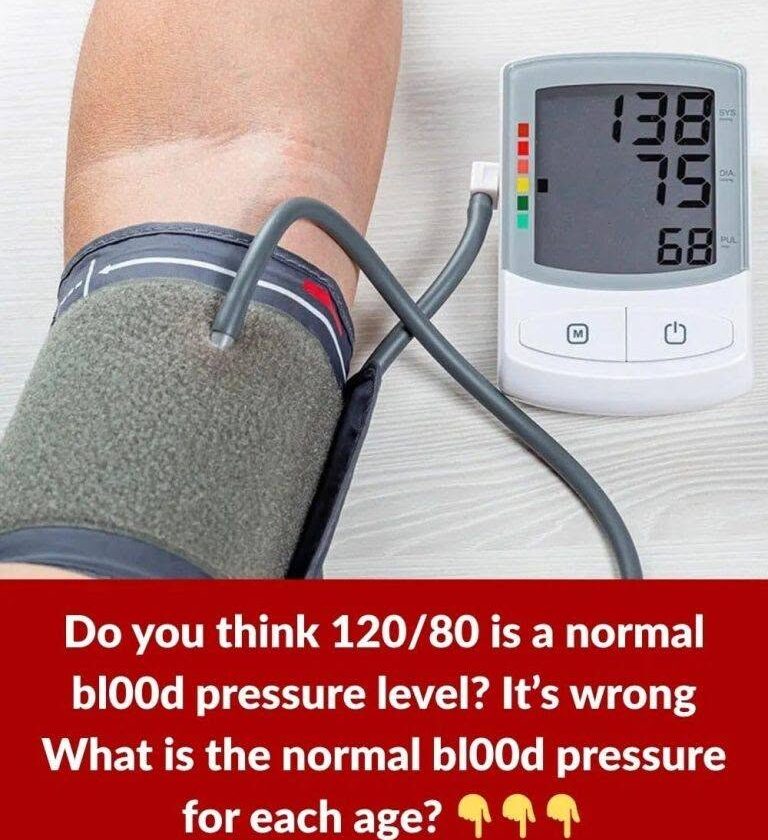
If you’re fact-checking “What is the normal blood pressure for each age?”, the important correction is that there isn’t a separate “normal” blood-pressure range for every adult age group. Current U.S. guidelines classify adult blood pressure using the same categories, while treatment goals may be individualized based on health and cardiovascular risk. (professional.heart.org)
Adult blood-pressure categories
| Blood pressure | Category |
|---|---|
| Below 120/80 mm Hg | Normal |
| 120–129 and below 80 | Elevated |
| 130–139 or 80–89 | Stage 1 hypertension |
| 140+ or 90+ | Stage 2 hypertension |
| Over 180 and/or over 120 | Severe hypertension |
So an older adult does not automatically have a “normal” blood pressure of 140/90 simply because of age. The 2025 AHA/ACC guideline gives an overall treatment goal of below 130/80 mm Hg for adults, with exceptions and individualized considerations for some people, such as those receiving institutional care or with limited life expectancy. (professional.heart.org)
🚨 When to seek urgent help
If a reading is over 180/120, repeat it after at least one minute. If it remains that high and there are symptoms such as chest pain, shortness of breath, weakness/numbness, vision changes, back pain, or difficulty speaking, it is a medical emergency. (www.heart.org)
Bottom line: Don’t judge blood pressure solely by age. The trend over multiple properly taken readings, plus the person’s overall health, matters much more than a single reading.