What Is the Normal Blood Pressure for Each Age?
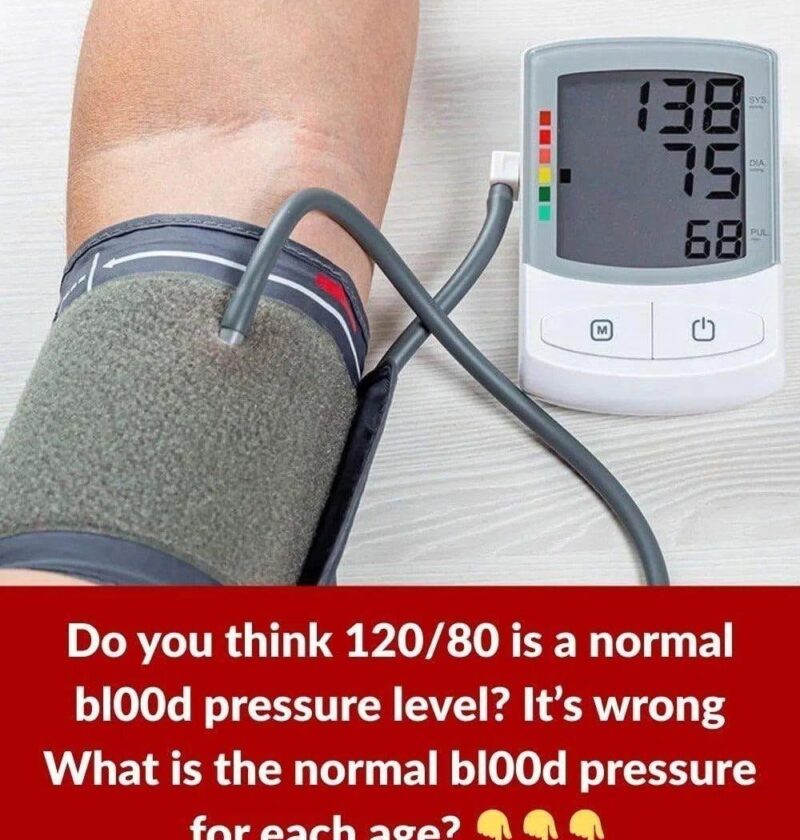
A common myth is that blood pressure has a different “normal” number for every adult age. For adults, current guidelines use the same basic blood-pressure categories regardless of whether you’re 25, 45, 65, or 85. (professional.heart.org)
🩺 Adult blood-pressure chart
| Age | Normal | Elevated | High blood pressure |
|---|---|---|---|
| 18–39 | <120/80 | 120–129 / <80 | ≥130/80 |
| 40–59 | <120/80 | 120–129 / <80 | ≥130/80 |
| 60–79 | <120/80 | 120–129 / <80 | ≥130/80 |
| 80+ | <120/80 is still classified as normal | 120–129 / <80 | ≥130/80 |
The current American Heart Association/American College of Cardiology categories are: normal <120/<80; elevated 120–129 and <80; stage 1 hypertension 130–139 or 80–89; and stage 2 hypertension ≥140 or ≥90 mmHg. (professional.heart.org)
👶 Children are different
For children, there isn’t one simple “normal” number by age. Blood pressure is interpreted using age, sex, and height, so pediatric charts are used. (CDC)
Important: one reading doesn’t diagnose hypertension
Blood pressure changes with stress, exercise, caffeine, pain and even how you sit during measurement. For home measurements, sit quietly for about 5 minutes, keep your back supported and feet flat, support your arm at heart level, and take two readings about a minute apart. (www.heart.org)
If your blood pressure is over 180/120, repeat it after a minute. If it remains that high and you have chest pain, shortness of breath, weakness/numbness, vision changes, back pain, or difficulty speaking, seek emergency medical care immediately. (www.heart.org)
Bottom line: Don’t assume that high blood pressure is “normal for your age.” For adults, under 120/80 mmHg is the normal category at any age, although individual treatment goals may differ. (professional.heart.org)