10 Early Warning Signs of a Stroke Everyone Should Know 🚨
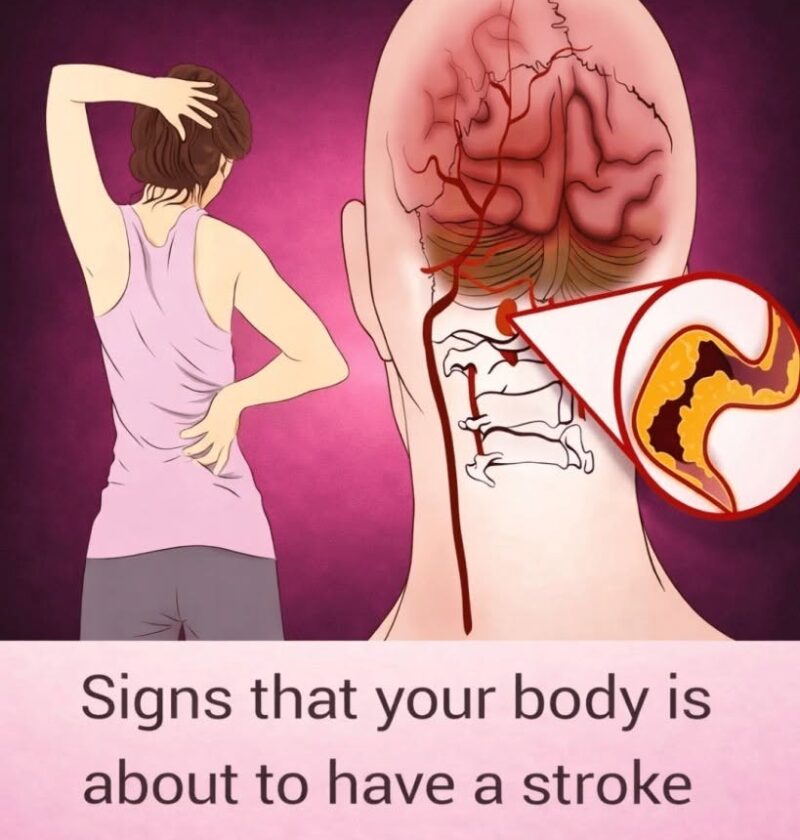
A stroke happens when blood flow to part of the brain is interrupted (ischemic stroke) or when a blood vessel in the brain bleeds (hemorrhagic stroke). Fast treatment can greatly improve outcomes, so recognizing warning signs is important.
A helpful way to remember common signs is BE FAST:
🧠 1. Balance problems
- Sudden dizziness
- Loss of coordination
- Trouble walking or feeling off balance
👀 2. Eye or vision changes
- Sudden blurred vision
- Loss of vision in one or both eyes
- Double vision
🙂 3. Face drooping
- One side of the face may feel weak or numb.
- Ask the person to smile—does one side droop?
💪 4. Arm or leg weakness
- Sudden weakness or numbness, especially on one side of the body.
- Ask the person to raise both arms—does one drift downward?
🗣️ 5. Speech difficulty
- Slurred speech
- Trouble finding words
- Difficulty understanding others
⚡ 6. Sudden numbness or tingling
- Especially affecting the face, arm, or leg on one side.
🤕 7. Sudden severe headache
- A sudden, intense headache unlike previous headaches may be a warning sign, especially if accompanied by other symptoms.
😵 8. Confusion
- Sudden trouble understanding what is happening.
- Difficulty following a conversation or instructions.
🚶 9. Trouble with movement
- Sudden difficulty walking, standing, or controlling movements.
⏱️ 10. Symptoms that appear suddenly
- Stroke symptoms often happen without warning and may worsen quickly.
What to do if you suspect a stroke
Call emergency services immediately. Do not wait to see if symptoms improve.
Remember:
- Note the time symptoms started (or the last time the person was known to be well).
- Do not give food, drinks, or medications unless instructed by emergency responders.
- Do not drive the person yourself if emergency services are available.
Important: “Mini-stroke” symptoms still matter
A transient ischemic attack (TIA) can cause stroke-like symptoms that disappear after minutes or hours. Even if symptoms go away, it requires urgent medical evaluation because it can be a warning sign of a future stroke.