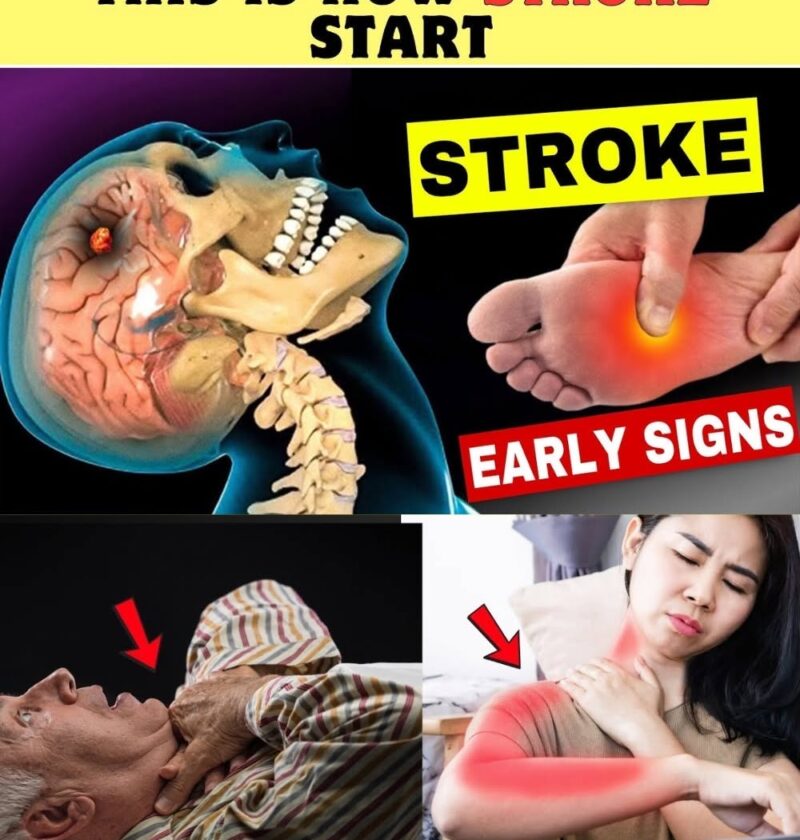
8 Warning Signs of Stroke That May Appear Beforehand (And 9 Ways to Reduce Your Risk)
Headlines about “warning signs one month before a stroke” can be misleading. Some people experience warning symptoms days, weeks, or even longer before a stroke, while many strokes happen without any noticeable advance signs. The most important warning event is a transient ischemic attack (TIA)—sometimes called a “mini-stroke”—which can be a temporary blockage of blood flow to the brain and a serious warning sign.
Possible Warning Signs That Should Not Be Ignored
1. Sudden weakness or numbness
- Weakness, tingling, or numbness in the face, arm, or leg—especially on one side of the body.
2. Trouble speaking or understanding
- Slurred speech
- Difficulty finding words
- Confusion
3. Sudden vision changes
- Blurred vision
- Loss of vision in one or both eyes
- Double vision
4. Sudden dizziness or loss of balance
- Trouble walking
- Loss of coordination
- Unexplained severe dizziness
5. Sudden severe headache
- A sudden, unusual headache—especially one described as the worst headache ever—can be a warning sign, particularly for certain types of bleeding strokes.
6. Facial drooping
- One side of the face may droop or feel weak.
7. Temporary symptoms that disappear
- Symptoms that last minutes or hours and then resolve may still be a TIA and require urgent medical attention.
8. New confusion or difficulty performing familiar tasks
- Sudden changes in thinking, awareness, or ability to complete routine activities.
Remember FAST
A quick way to recognize stroke symptoms:
- F — Face: Ask the person to smile. Does one side droop?
- A — Arms: Ask them to raise both arms. Does one drift downward?
- S — Speech: Is speech strange or unclear?
- T — Time: Call emergency services immediately.
9 Ways to Help Reduce Stroke Risk
1. Control blood pressure
High blood pressure is one of the strongest risk factors for stroke.
2. Avoid smoking and tobacco
Smoking damages blood vessels and increases clot risk.
3. Stay physically active
Regular movement supports heart and blood vessel health.
4. Eat a heart-healthy diet
Focus on:
- Vegetables and fruits
- Whole grains
- Beans and nuts
- Lean proteins
- Healthy fats
5. Manage cholesterol
High cholesterol can contribute to plaque buildup in arteries.
6. Control diabetes
Keeping blood sugar in a healthy range reduces vascular damage.
7. Maintain a healthy weight
A healthy body weight can improve blood pressure, cholesterol, and blood sugar.
8. Limit alcohol and avoid excessive drinking
Heavy alcohol use increases stroke risk